- Home
- About Us
- Products
- Cork Fabric
- Olive Oil Pourer
- Cork Yoga
- Cork Underlayment
- Sublimation Blank
- Cork Protective Pads
- Cork Memo Board
- Cork Bottle Lid
- Cork Roll Sheet
- Adhesive Cork
- Cork Coaster
- Cork Placemat
- Cork Wallet
- Cork Bag
- Cork Tray
- Cork Ball
- Cork Granules
- Cork Bark Tiles
- Cork Top Glass Jar
- Cork Toy Block
- Cork iPhone Case
- Cork Accessories
- Cork Insole
- Other
- News
- Download
- Send Inquiry
- Contact Us


Cork Underlayment
What is Cork Underlayment?
Cork underlayment is a specialized flooring underlayment material crafted from the bark of the cork oak tree. This natural, renewable resource is harvested without harming the tree, making it an environmentally conscious choice for modern construction and renovation projects. Primarily used beneath finished floor surfaces like laminate, engineered wood, luxury vinyl plank (LVP), and even ceramic or stone tile, cork underlayment serves multiple critical functions. Its primary purpose is to provide a cushioning layer that enhances underfoot comfort, reduces impact noise (both airborne and structure-borne), and offers thermal insulation. The unique cellular structure of cork, composed of millions of tiny, air-filled chambers, is the secret to its exceptional performance. This structure allows it to compress under pressure and spring back, effectively absorbing sound vibrations and providing a comfortable, forgiving surface to walk on. Unlike synthetic foam underlayments, cork is naturally resistant to moisture, mold, and mildew, contributing to a healthier indoor environment. Its dimensional stability also helps to prevent minor subfloor imperfections from telegraphing through to the finished floor, ensuring a smooth, professional-looking installation that lasts.
Key Benefits of Using Cork Underlayment
The advantages of integrating cork underlayment into your flooring system are extensive, impacting comfort, acoustics, and long-term value.
- Superior Sound Dampening: Excellently reduces both impact noise (like footsteps) and airborne sound transmission between floors, a crucial feature for multi-story residences and commercial spaces.
- Exceptional Thermal Insulation: The natural insulating properties of cork help to keep rooms warmer in the winter and cooler in the summer, potentially lowering energy costs.
- Enhanced Underfoot Comfort: Provides a cushioned, resilient feel that reduces fatigue, making standing and walking more comfortable, especially in kitchens and living areas.
- Moisture Resistance: Naturally resistant to moisture, mold, and mildew, protecting your flooring from below and preventing musty odors. Many products also include a vapor barrier.
- Eco-Friendly and Sustainable: Made from a 100% renewable and biodegradable resource. The harvesting process is sustainable and does not damage the trees.
- Durability and Longevity: Cork does not compress permanently over time, maintaining its performance and protective qualities for the life of the floor covering.
- Subfloor Imperfection Correction: Helps to mask minor unevenness in the subfloor, creating a more uniform surface for the final floor installation.
Detailed Product Parameters and Specifications
To ensure you select the perfect cork underlayment for your project, it is essential to understand its technical specifications. The following table outlines the standard parameters for high-quality cork underlayment rolls.
| Parameter | Specification | Description & Importance |
|---|---|---|
| Thickness | 2 mm, 3 mm, 4 mm, 6 mm, 10 mm | Thicker underlayments provide better sound insulation and cushioning. 2-3mm is common for laminates, while 6mm+ is used for superior sound blocking and under-tile applications. |
| Density | Approx. 180 - 220 kg/m³ | Higher density indicates a more robust, durable product that resists compression and provides better long-term performance. |
| Noise Reduction Coefficient (NRC) | 0.70 - 0.80 | Measures sound absorption. A higher NRC (closer to 1.0) means the material absorbs more sound within a room, reducing echo and reverberation. |
| Impact Insulation Class (IIC) | Up to 70+ (with 6mm underlayment) | Measures the reduction of impact sound (footsteps, dropped objects) through a floor/ceiling assembly. A higher IIC rating means better soundproofing between floors. |
| Thermal Resistance (R-Value) | R-1.2 to R-3.5 per inch | Indicates resistance to heat flow. A higher R-Value means better insulation, helping to maintain room temperature and improve energy efficiency. |
| Roll Dimensions | e.g., 3 ft x 50 ft (100 sq ft), 1 m x 10 m | Standard roll sizes for convenient coverage calculation and installation. Seams should be tightly butted and taped. |
| Vapor Barrier | Available with or without attached laminate/plastic film | A built-in vapor barrier (usually 6-mil or thicker polyethylene) is essential for installations over concrete subfloors to prevent moisture migration. |
| Compression Resistance | > 90% Recovery | Indicates the material's ability to return to its original thickness after heavy loads are removed, preventing permanent indentation. |
Material Composition Breakdown
- Base Material: 100% Granulated Cork Bark from the Cork Oak (Quercus suber).
- Binding Agent: Non-toxic, heat-activated binding resins (e.g., polyurethane). No added formaldehyde.
- Additives: Some formulations may include natural or synthetic rubber for enhanced flexibility and moisture resistance.
- Facing: Optional laminated layer of polyethylene or a specialized fabric to act as a vapor retarder.
FAQs: Cork Underlayment Common Questions
What is the primary purpose of cork underlayment?
The primary purpose is threefold: to provide acoustic insulation by reducing both impact and airborne noise transmission between floors, to offer thermal insulation that helps regulate room temperature, and to create a cushioned, comfortable surface under the finished flooring that also masks minor subfloor imperfections.
Can cork underlayment be used under all types of flooring?
Cork underlayment is highly versatile and can be used under a wide range of floating floor systems, including laminate, engineered wood, and luxury vinyl plank (LVP). It is also an excellent choice for use under glued-down engineered wood and even beneath ceramic or stone tile when a specific uncoupling and crack-isolation membrane is not the primary requirement. Always check the flooring manufacturer's warranty requirements for approved underlayments.
How does cork underlayment handle moisture?
Cork is naturally resistant to moisture, mold, and mildew due to suberin, a waxy substance present in its cell walls. However, for installations over concrete subfloors, which can wick moisture, it is critical to use a cork underlayment that includes an attached vapor barrier or to install a separate 6-mil polyethylene sheet beforehand. This protects the flooring above from potential moisture damage.
Is cork underlayment difficult to install?
No, it is generally considered one of the easier underlayments to install, especially in roll form. The rolls are simply rolled out across the clean, level subfloor with the seams butted tightly together. The seams are then sealed with manufacturer-recommended tape to create a continuous layer. No special tools are required beyond a utility knife, a tape measure, and seam tape.
Does cork underlayment compress and lose its effectiveness over time?
High-density cork underlayment is renowned for its resistance to permanent compression. Its cellular structure allows it to compress under immediate load and then spring back to its original shape once the load is removed. This elastic memory ensures that its sound-dampening and cushioning properties remain effective for the lifetime of the floor covering.
What is the difference between IIC and STC ratings?
IIC (Impact Insulation Class) measures a floor/ceiling assembly's ability to block impact sounds like footsteps and furniture moving. STC (Sound Transmission Class) measures the assembly's ability to block airborne sounds like speech or television noise. Cork underlayment significantly improves both, but its cushioning effect is particularly effective at boosting the IIC rating.
Is cork underlayment environmentally friendly?
Yes, it is one of the most eco-friendly underlayment options available. The cork bark is harvested by hand every 9-12 years from the cork oak tree, which is not cut down and continues to absorb carbon dioxide. The process is sustainable and supports biodiverse forest ecosystems. The underlayment itself is natural, biodegradable, and has low VOC emissions.
What thickness of cork underlayment should I choose?
The optimal thickness depends on your primary goal and the type of flooring. For standard noise reduction and comfort under laminate or LVP, 2mm to 3mm is typically sufficient. For superior soundproofing in multi-family buildings or for use under tile, a 6mm or even 10mm thickness is recommended. Always ensure the chosen thickness is compatible with your flooring's locking system and door clearances.
Can I install cork underlayment over existing flooring?
It is possible to install cork underlayment and a new floating floor over an existing, firmly attached, and perfectly smooth floor like vinyl or tile. However, it is not recommended to install over carpet. The existing floor must be absolutely level and free of any movement. It is crucial to check the height transitions to adjacent rooms and ensure the added height will not cause issues with doors or appliances.
Does cork underlayment attract insects or pests?
No, high-quality cork underlayment is not a food source for insects, termites, or rodents. The processing and binding agents used make the material unpalatable and resistant to pest infestation.
New Products
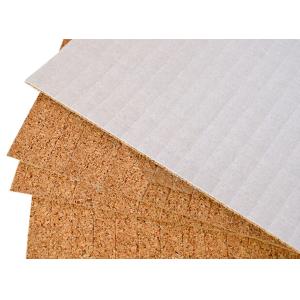
- Cork pads on sheet for protective glass,25*25mm
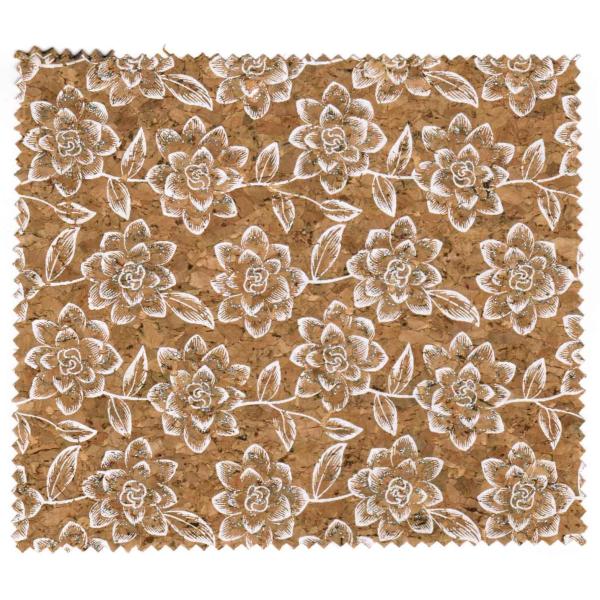
- Printed colored & Eco-friendly cork fabric sheet for bags/cover/notebook/shoes with TC backing,waterproof and dust
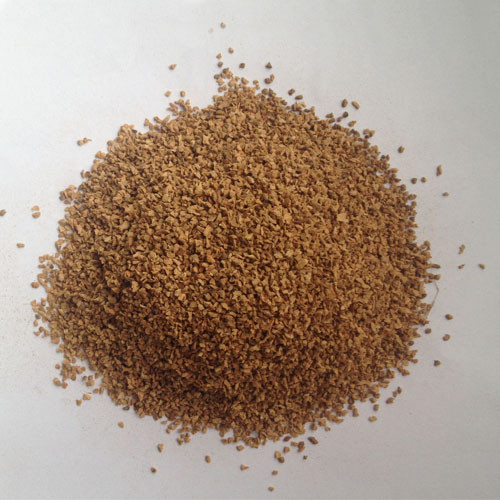
- 1-1.5mm,70~80g/L density,Popular Nature light corks granules for cork sheet/roll,environmental and sound insulation
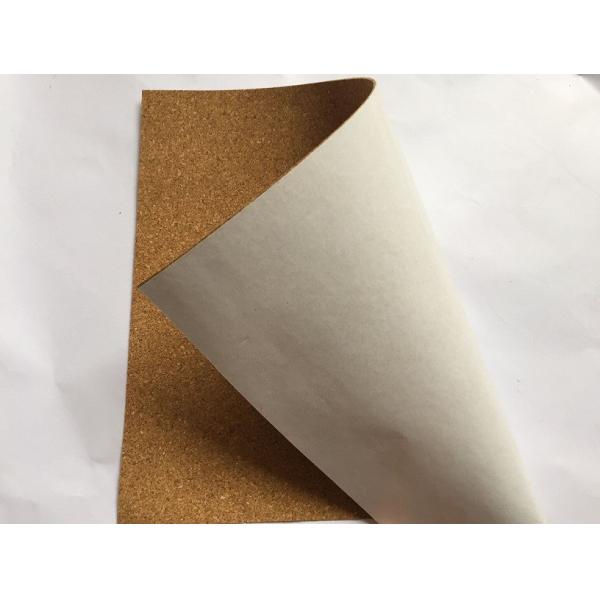
- Good Quality Cork sheet with adhesive backer for hand craft usage
- Eco Friendly Cork Sheet with Adhesive Backer for Kindergartenhand Craft Usage
- View as
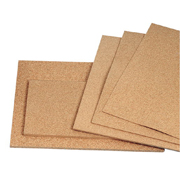
Nature cork tile/underlayment
Discover Kaxite Cork's Nature cork tile/underlayment, a sustainable flooring solution that provides superior cushioning and sound absorption. Made from natural cork, it enhances comfort underfoot, reduces noise, and is ideal for homes, offices, and gyms. Experience eco-friendly luxury and a quieter, cozier space—transform your floors with our durable, allergen-resistant design.
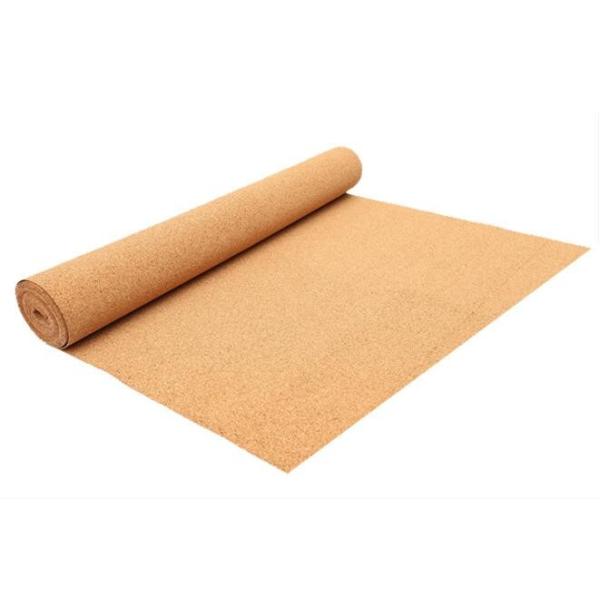
Top Rate Corkment Underlay for Flooring Use, 250-300kg/m3 Density,Good Damp Proof and Sound Proof
Discover Kaxite Cork's Top Rate Corkment Underlay for flooring. With 250-300kg/m³ density, it offers superior damp and sound proofing, creating a comfortable, quiet home environment. Ideal for homeowners seeking durable, eco-friendly solutions—experience lasting peace and protection.
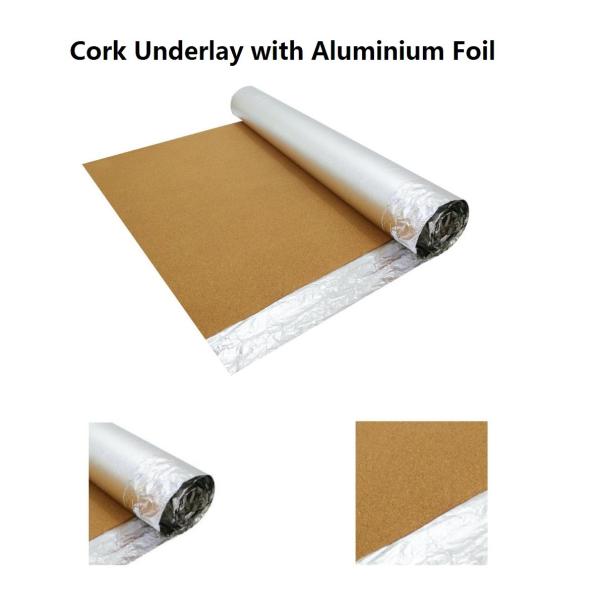
2016 New Style Corkment Underla/Substrate with Aluminium Foil, 200-300kg/m3 Density, Good Damp & Sound Proof
Discover Kaxite Cork's 2016 New Style Corkment Underlay with Aluminium Foil, featuring 200-300kg/m³ density for excellent damp and sound proofing. Perfect for homeowners and builders, it transforms noisy spaces into peaceful havens. Its unique foil layer enhances durability and insulation, offering superior performance compared to standard underlays. Experience lasting comfort and tranquility with this reliable solution.
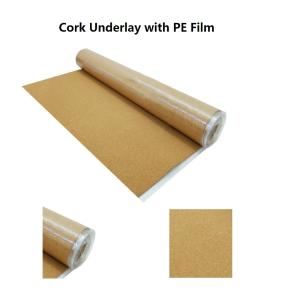
New Style Corkment Underlay with PE Film, 200-300kg/m3 Density, Good Damp & Sound Proof
Discover Kaxite Cork's New Style Corkment Underlay with PE Film! Featuring 200-300kg/m³ density, it excels in damp and sound proofing for floors. Perfect for homeowners and builders, this eco-friendly cork solution reduces noise and moisture, enhancing comfort. Upgrade your space with durable, reliable performance today.
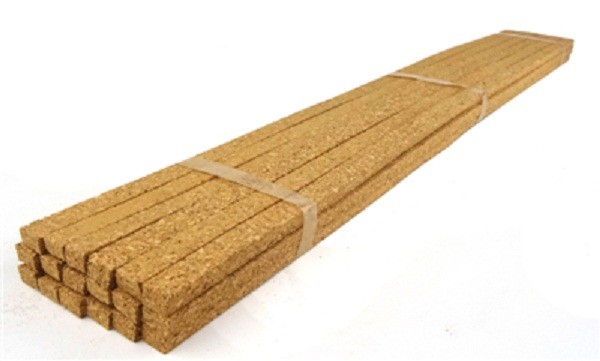
Cork Expansion-Contraction Joint Filler for Flooring
Kaxite Cork Expansion-Contraction Joint Filler for Flooring is crafted from premium natural cork, offering superior flexibility to handle floor movements, prevent cracks, and ensure lasting stability. Ideal for DIY enthusiasts and professional installers in homes or commercial spaces, it delivers peace of mind with easy installation and eco-friendly benefits. Unlike synthetic options, Kaxite Cork provides exceptional durability and a seamless finish, making floors look flawless and feel secure. Enhance your space today with this reliable solution!