- Home
- About Us
- Products
- Cork Fabric
- Olive Oil Pourer
- Cork Yoga
- Cork Underlayment
- Sublimation Blank
- Cork Protective Pads
- Cork Memo Board
- Cork Bottle Lid
- Cork Roll Sheet
- Adhesive Cork
- Cork Coaster
- Cork Placemat
- Cork Wallet
- Cork Bag
- Cork Tray
- Cork Ball
- Cork Granules
- Cork Bark Tiles
- Cork Top Glass Jar
- Cork Toy Block
- Cork iPhone Case
- Cork Accessories
- Cork Insole
- Other
- News
- Download
- Send Inquiry
- Contact Us


Cork Bottle Lid
Premium Cork Bottle Lid: The Ultimate Sealing Solution
Experience the perfect blend of traditional craftsmanship and modern functionality with our high-quality Cork Bottle Lid. Designed for wine enthusiasts, home brewers, and gourmet food producers, this lid ensures an airtight seal, preserving the flavor, aroma, and freshness of your precious liquids. Made from 100% natural cork, it offers sustainable and reliable performance.
Detailed Product Specifications
Our Cork Bottle Lid is engineered to meet the highest standards. Below are the key parameters that define its excellence:
Material Composition
- Primary Material: 100% Natural Cork (Harvested from sustainable cork oak forests)
- Lining: Food-grade silicone for enhanced sealing
- Coating: Non-toxic, BPA-free water-based coating to prevent crumbling
Physical Dimensions
| Parameter | Value | Notes |
|---|---|---|
| Diameter (Top) | 24 mm | Standard size for most wine and spirit bottles |
| Diameter (Bottom) | 22 mm | Slightly tapered for easy insertion |
| Length | 44 mm | Ideal for deep insertion into bottle necks |
| Weight | Approx. 5 grams | Lightweight yet durable |
Performance Metrics
| Feature | Specification | Testing Standard |
|---|---|---|
| Compression Recovery | 98% after 24 hours | ASTM F1315 |
| Oxygen Transmission Rate | < 0.5 mg O₂ per year | ISO 15105-2 |
| Water Absorption | Max. 15% by weight | ASTM D570 |
| Temperature Resistance | -10°C to 60°C | Suitable for most storage conditions |
Compliance and Certifications
- Food Safety: FDA Approved, EU Regulation 10/2011 compliant
- Sustainability: FSC (Forest Stewardship Council) Certified
- Quality Assurance: ISO 9001:2015 certified manufacturing process
Frequently Asked Questions (FAQ) About Cork Bottle Lids
What is the main advantage of using a natural cork bottle lid over synthetic alternatives?
Natural cork offers superior elasticity and memory, allowing it to expand and form a tight seal after insertion. It is biodegradable, renewable, and does not impart any off-flavors to the contents, making it ideal for aging wines and premium spirits.
How should I store cork bottle lids before use to maintain their quality?
Store them in a cool, dry place away from direct sunlight and strong odors. Ideal storage conditions are at a temperature between 15°C and 20°C with relative humidity of 50-70%. Avoid plastic wrappings that can trap moisture and cause mold.
Can cork bottle lids be reused, and if so, how many times?
Yes, they can be reused if removed carefully without damage. On average, a high-quality cork lid can be reused 3-5 times, depending on the extraction method and storage conditions. Inspect for cracks or dryness before each reuse.
What is the typical lifespan of a cork bottle lid once inserted into a bottle?
When used properly, a cork lid can effectively seal a bottle for 3 to 30 years, depending on the cork quality, storage position (upright or horizontal), and environmental factors. For long-term aging, high-grade corks are recommended.
Are there any specific bottles that are not compatible with standard cork lids?
Cork lids are designed for glass bottles with standard neck openings (approximately 18-20 mm internal diameter). They may not fit properly on bottles with non-standard necks, such as those with screw threads or very narrow openings. Always check the bottle specifications before use.
How does the silicone lining improve the performance of the cork bottle lid?
The food-grade silicone lining fills microscopic gaps between the cork and the bottle neck, creating an enhanced airtight and watertight seal. It also reduces friction during insertion and extraction, minimizing cork breakage and ensuring a smoother user experience.
What should I do if a cork bottle lid breaks during insertion or removal?
If breakage occurs, carefully remove all fragments from the bottle neck using a cork screw or specialized tool. Avoid pushing pieces into the bottle. For future use, ensure the cork is moistened slightly (e.g., with water or wine) before insertion to increase flexibility, and use a quality corker for even pressure application.
Is there a risk of cork taint (TCA) with natural cork lids, and how is it prevented?
Cork taint, caused by the compound 2,4,6-trichloroanisole (TCA), is a potential risk in natural cork. Our corks undergo rigorous cleaning and treatment processes, including steam distillation and microwave sterilization, to reduce TCA levels to below the sensory threshold (typically < 1-2 ng/L).
Can I customize cork bottle lids with logos or text for branding purposes?
Yes, we offer customization options such as branding, logos, or text using food-safe, heat-resistant printing or laser engraving. Minimum order quantities and lead times apply. Contact our sales team for specific requirements and design proofing.
What is the environmental impact of producing cork bottle lids?
Cork production is highly sustainable. Cork oak trees are not cut down; instead, the bark is harvested every 9-12 years, allowing the tree to regenerate. This process supports biodiversity, prevents desertification, and has a negative carbon footprint as the trees absorb CO₂. Our manufacturing uses renewable energy and minimal water.
New Products
- Cork pads on sheet for protective glass,25*25mm
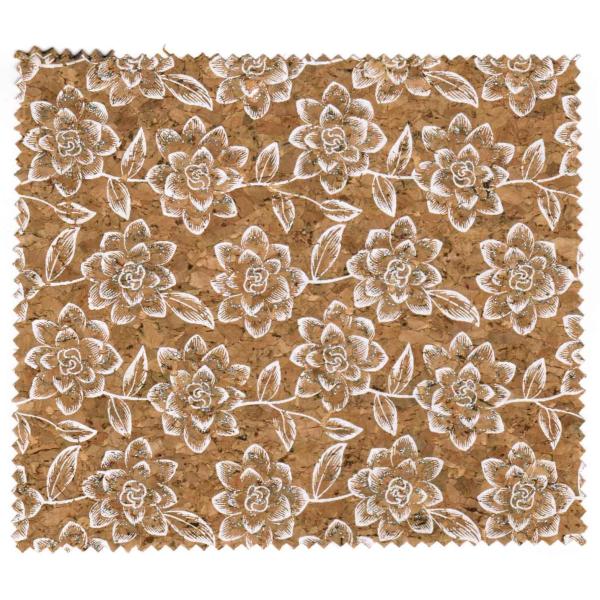
- Printed colored & Eco-friendly cork fabric sheet for bags/cover/notebook/shoes with TC backing,waterproof and dust
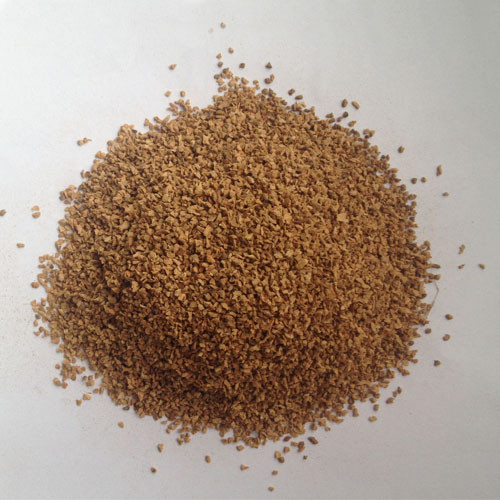
- 1-1.5mm,70~80g/L density,Popular Nature light corks granules for cork sheet/roll,environmental and sound insulation
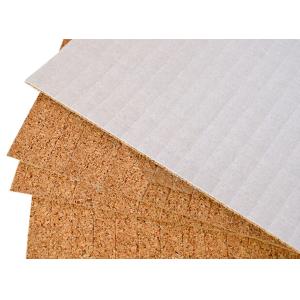
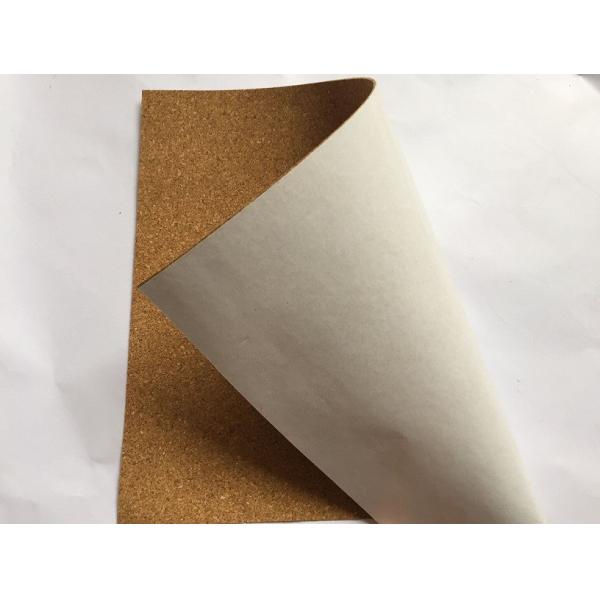
- Good Quality Cork sheet with adhesive backer for hand craft usage
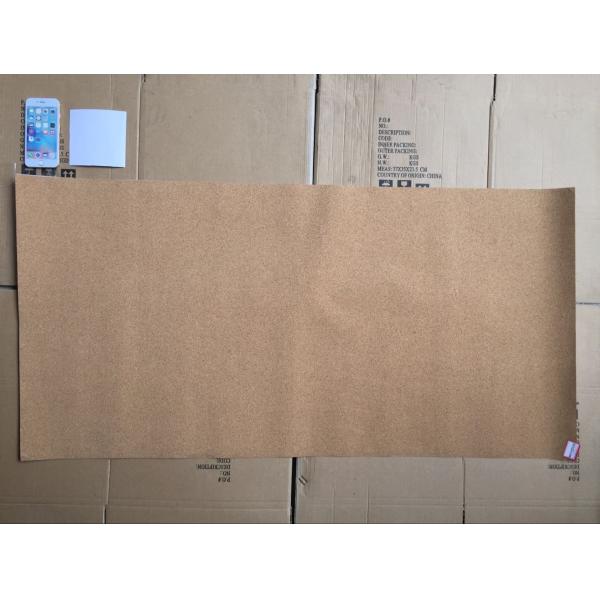
- Eco Friendly Cork Sheet with Adhesive Backer for Kindergartenhand Craft Usage
- View as
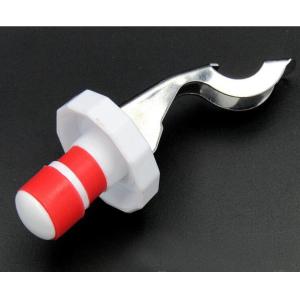
New Style Stainless Steel and Plastic Plug Lid for Wine Bottle
Elevate your wine experience with Kaxite Cork's New Style Stainless Steel and Plastic Plug Lid for Wine Bottle. This innovative lid combines durable stainless steel with sleek plastic for a perfect seal, preserving freshness and flavor. Ideal for wine enthusiasts and gift-givers, it transforms any bottle into a stylish statement. Enjoy effortless use and peace of mind with its leak-proof design, offering a touch of elegance that outshines standard caps.
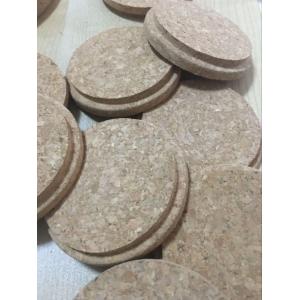
Poplular Synthetic Cork Stopper Lid for Glass Bottle, Wax Bottle
Kaxite Cork presents the Popular Synthetic Cork Stopper Lid for Glass Bottle and Wax Bottle—a sleek, reusable solution for preserving liquids in style. Made from durable synthetic cork, it ensures a tight seal to keep beverages fresh, perfect for wine, oils, or homemade creations. Ideal for eco-conscious home users, gift-givers, and DIY enthusiasts, it transforms storage into a satisfying ritual. Unlike traditional corks, it's easy to clean and reusable, offering lasting value. Embrace a touch of elegance and sustainability today!
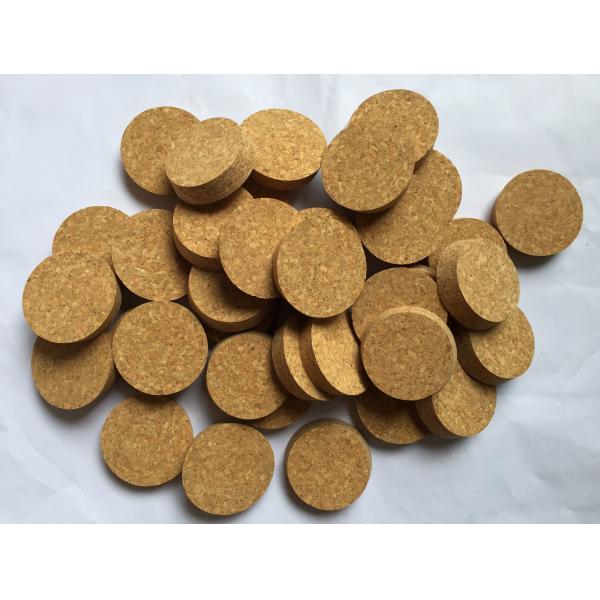
Hot Sale Synthetic Cork Stopper Lid for Glass Bottle, Wax Bottle
Elevate your bottle sealing with Kaxite Cork's Hot Sale Synthetic Cork Stopper Lid for Glass Bottle, Wax Bottle. Made from durable synthetic materials, it ensures an airtight seal, perfect for preserving wines, oils, and homemade creations. Ideal for home brewers, crafters, and gift-givers, this lid prevents leaks and maintains freshness, offering peace of mind and a touch of elegance. Unlike traditional corks, it’s reusable and eco-friendly. Enjoy reliable performance and stylish design—upgrade your storage today!
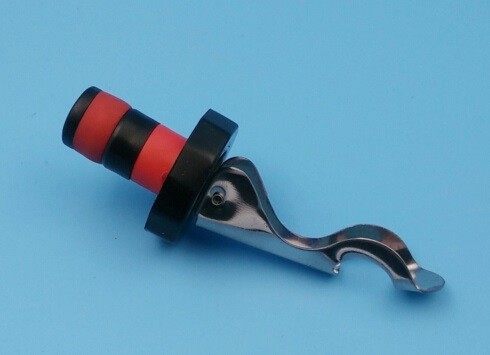
2016 New Style Stainless Steel and Plastic Plug Lid for Wine Bottle
Kaxite Cork presents the 2016 New Style Stainless Steel and Plastic Plug Lid for Wine Bottle, a premium closure designed to preserve freshness and add elegance. Crafted from durable materials, it offers leak-proof sealing and easy handling, perfect for wine enthusiasts, gift-givers, and home use. Enjoy effortless pours and enhanced wine quality—upgrade your experience today with Kaxite Cork's innovative design!
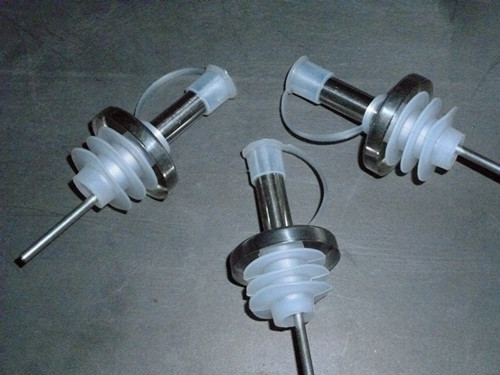
Hot Selling Stainless Steel and Plastic Plug Lid for Wine Glass Bottle, Glass Bottle Pourer
Elevate your wine experience with the Kaxite Cork Hot Selling Stainless Steel and Plastic Plug Lid. Made from durable materials, it ensures a perfect seal, preventing spills and preserving freshness. Ideal for wine lovers, it's a thoughtful gift for elegant dinners, enhancing convenience and style. Feel the joy of effortless pouring and long-lasting use, standing out with its sleek design and reliable performance.
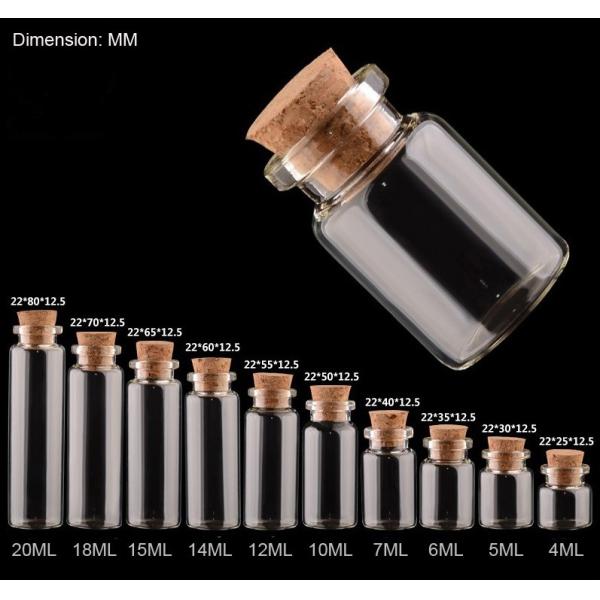
Sea salts with dried flowers in clear vials with cork lid
Kaxite Cork presents sea salts with dried flowers in clear vials with cork lids: a perfect blend of natural beauty and relaxation. Ideal for bath time, these artisanal salts soothe muscles and uplift moods with floral aromas. Great for self-care or as thoughtful gifts, they offer a unique, eco-friendly experience that stands out from ordinary salts. Treat yourself to a moment of tranquility today!