- Home
- About Us
- Products
- Cork Fabric
- Olive Oil Pourer
- Cork Yoga
- Cork Underlayment
- Sublimation Blank
- Cork Protective Pads
- Cork Memo Board
- Cork Bottle Lid
- Cork Roll Sheet
- Adhesive Cork
- Cork Coaster
- Cork Placemat
- Cork Wallet
- Cork Bag
- Cork Tray
- Cork Ball
- Cork Granules
- Cork Bark Tiles
- Cork Top Glass Jar
- Cork Toy Block
- Cork iPhone Case
- Cork Accessories
- Cork Insole
- Other
- News
- Download
- Send Inquiry
- Contact Us


Cork Granules
What are Cork Granules?
Cork granules are small, granular pieces of natural cork bark. They are a versatile, sustainable, and highly effective material used across numerous industries. Produced from the bark of the cork oak tree (*Quercus suber*), these granules are a byproduct of the cork stopper manufacturing process, making them an excellent example of a circular economy. The inherent properties of cork—such as being lightweight, compressible, impermeable to liquids and gases, and an excellent thermal and acoustic insulator—are retained in granule form, opening up a wide array of applications.
Key Properties and Benefits of Cork Granules
The unique cellular structure of cork, composed of millions of tiny, air-filled cells, is the source of its remarkable characteristics. When processed into granules, these properties make it an outstanding choice for many technical and consumer applications.
- Sustainability: Cork is a 100% natural, renewable, and biodegradable resource. The harvesting of cork bark does not harm the tree, which regenerates its bark, allowing for repeated harvests every 9-12 years.
- Lightweight: The high air content (over 50%) within the cellular structure makes cork granules exceptionally light, reducing weight in composite materials and final products.
- Excellent Insulation: The trapped air provides superior thermal and acoustic insulation properties, making it ideal for construction and industrial applications.
- Impermeability: Suberin, a waxy substance present in cork, makes it resistant to moisture and liquid absorption, preventing rot and mold.
- Elasticity and Compressibility: Cork granules can be compressed and will return to their original shape, making them perfect for use in flooring underlayment and gaskets.
- Durability and Abrasion Resistance: Products made with cork granules exhibit high resistance to wear and tear, contributing to a long lifespan.
- Fire Retardant: Cork is a natural fire retardant; it does not release toxic fumes when burning and is slow to ignite.
- Hypoallergenic: Cork is resistant to mites and does not absorb dust, promoting a healthier indoor environment.
Technical Specifications of Our Cork Granules
To ensure you select the perfect grade for your application, we offer cork granules in a variety of specifications. Our precise grading and quality control guarantee consistent performance.
| Grade Name | Particle Size (mm) | Bulk Density (kg/m³) | Moisture Content (%) | Primary Applications |
|---|---|---|---|---|
| Fine / Flour | 0.25 - 1.0 | 75 - 120 | 6 - 8% | Binder mixes, composites, cork-rubber blends, filler material. |
| Small | 1.0 - 2.0 | 65 - 100 | 6 - 8% | Agglomerates for discs, gaskets, sports flooring, synthetic turf infill. |
| Medium | 2.0 - 5.0 | 55 - 85 | 6 - 8% | Expansion joints, playground surfacing, loose-fill insulation. |
| Large / Coarse | 5.0 - 10.0 | 45 - 70 | 6 - 8% | Landscaping mulch, hydroponics, decorative applications. |
| Extra Large | 10.0 - 25.0 | 40 - 60 | 6 - 8% | Erosion control, specialized filtration, acoustic wall panels. |
Additional Product Parameters
- Color: Natural light brown/tan. Can be dyed to specific color requirements.
- pH Level: Typically neutral (pH 6-7.5), making it suitable for horticultural use.
- Thermal Conductivity (λ): Approximately 0.038 - 0.042 W/m·K.
- Fire Reaction: Class B (European Standard), Class I (ASTM E84).
- Packaging: Available in 25 kg paper bags, 500 kg big bags, or custom packaging upon request.
Primary Applications of Cork Granules
The adaptability of cork granules allows them to be a key component in a multitude of sectors. Here’s a breakdown of their primary uses:
1. Construction and Building Industry
- Acoustic Insulation: Used as a loose-fill material in wall cavities, floor voids, and ceiling spaces to dampen sound transmission.
- Thermal Insulation: Provides an eco-friendly alternative to synthetic insulations in walls and roofs.
- Flooring Underlayment: Compacted cork granules create a resilient, insulating, and sound-absorbing subfloor.
- Expansion Joint Fillers: Their compressibility allows them to absorb structural movement effectively.
2. Sports and Recreation
- Artificial Turf Infill: A natural, safe, and cooler alternative to rubber crumb, providing excellent cushioning and drainage.
- Playground Surfacing: Used in loose-fill or bonded form to create safe, impact-absorbing fall zones.
- Sports Court Surfaces: Mixed with binders to create resilient surfaces for tennis courts, running tracks, and gym floors.
3. Industrial and Manufacturing
- Cork-Rubber Composites: Combined with rubber to manufacture anti-vibration pads, gaskets, and seals for the automotive and machinery industries.
- Friction Products: Used in brake pads and clutch facings due to its high friction coefficient and heat resistance.
- Packaging: Provides a lightweight and protective cushioning material for shipping delicate items.
4. Agriculture and Horticulture
- Soil Amendment: Improves soil aeration, drainage, and moisture retention.
- Mulch: Suppresses weeds, retains soil moisture, and regulates soil temperature.
- Hydroponics and Orchid Growing: An excellent, inert growing medium that provides stability and air to the root system.
5. Other Innovative Uses
- Life Jackets and Buoyancy Aids: Historically used for its exceptional buoyancy.
- Wine Closures: Agglomerated cork stoppers are made by compressing high-quality cork granules with food-safe binders.
- Fashion and Accessories: Used as a filling material or agglomerated into sheets for bags, belts, and footwear.
Frequently Asked Questions (FAQ) About Cork Granules
Q: How are cork granules produced?
A: The production begins with the harvested cork bark. After a stabilization period, the bark is ground and then carefully sieved and sorted into different particle sizes. This process does not involve any chemicals, preserving the natural integrity of the cork.
Q: Are cork granules environmentally friendly?
A: Absolutely. Cork is one of the most sustainable resources on the planet. The cork oak tree is not cut down during harvesting; only its bark is carefully stripped. This process actually helps the tree absorb more CO2, making cork plantations significant carbon sinks. Furthermore, the granules are a byproduct, ensuring virtually zero waste.
Q: Can cork granules be used in my garden?
A: Yes, they are excellent for gardening. As a mulch, they suppress weeds, retain soil moisture, and slowly decompose, adding organic matter to the soil. Mixed into soil, they improve aeration and drainage, promoting healthier root growth.
Q: What is the difference between cork granules and cork powder?
A: The primary difference is particle size. Cork powder (or flour) consists of very fine particles, typically less than 1 mm, and is used as a filler or in composites. Cork granules are larger, ranging from 1 mm to 25 mm, and are used for their bulk properties like insulation, cushioning, and as a growing medium.
Q: How do I choose the right granule size for my project?
A: The correct size depends on the application. For example, fine granules are best for composites and mixing with binders. Medium granules are ideal for playground surfacing and loose-fill insulation. Large granules are preferred for landscaping mulch and hydroponics. Our technical team can provide specific recommendations based on your requirements.
Q: Are there any fire safety concerns with cork granules?
A: Cork is naturally fire retardant. It has a high ignition temperature and burns without a flame, merely smoldering. It does not release toxic gases when burning, unlike many synthetic materials. In building applications, it often achieves favorable fire safety ratings.
Q: How should I store cork granules?
A: Cork granules should be stored in a cool, dry place, away from direct sunlight and moisture. They are typically supplied in sealed bags. If stored in bulk, they should be kept under a cover to prevent contamination and moisture absorption, which could affect their performance, especially in insulation applications.
Q: Can cork granules be combined with other materials?
A: Yes, this is one of their key advantages. They are commonly mixed with rubber to create resilient composites, with polyurethane or other binders to form agglomerated sheets and blocks, and even with resins for specific industrial applications.
New Products
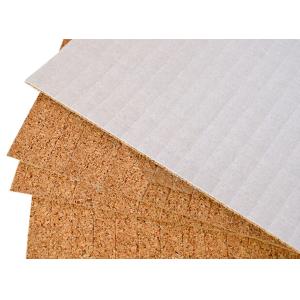
- Cork pads on sheet for protective glass,25*25mm
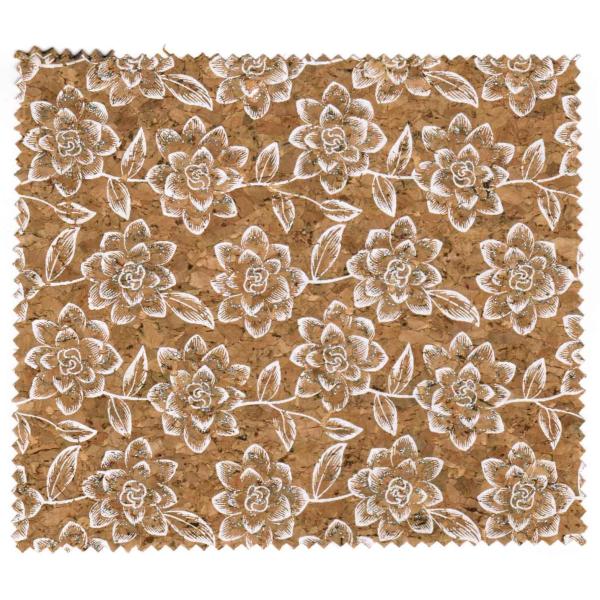
- Printed colored & Eco-friendly cork fabric sheet for bags/cover/notebook/shoes with TC backing,waterproof and dust
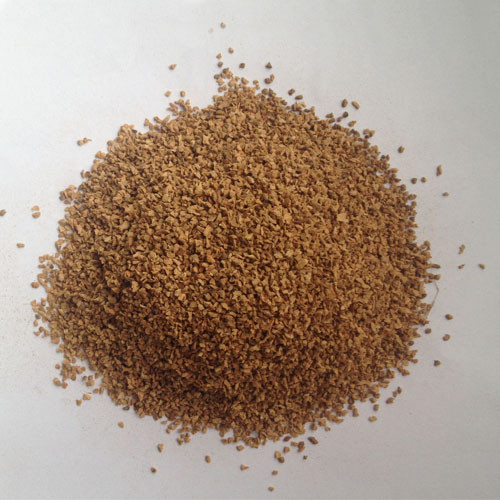
- 1-1.5mm,70~80g/L density,Popular Nature light corks granules for cork sheet/roll,environmental and sound insulation
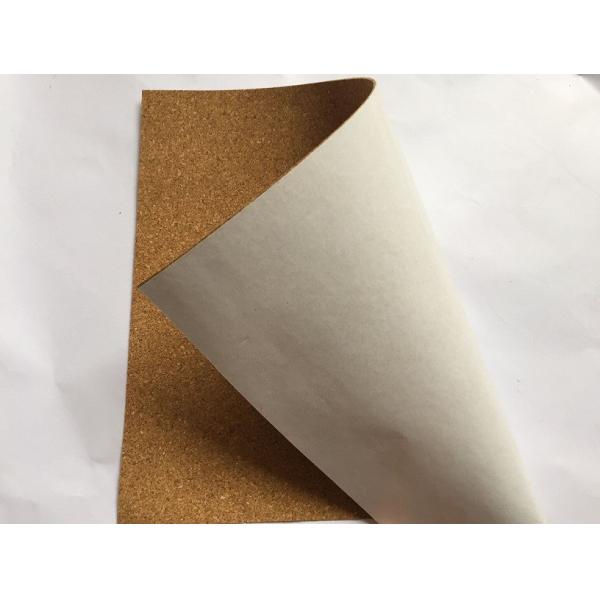
- Good Quality Cork sheet with adhesive backer for hand craft usage
- Eco Friendly Cork Sheet with Adhesive Backer for Kindergartenhand Craft Usage
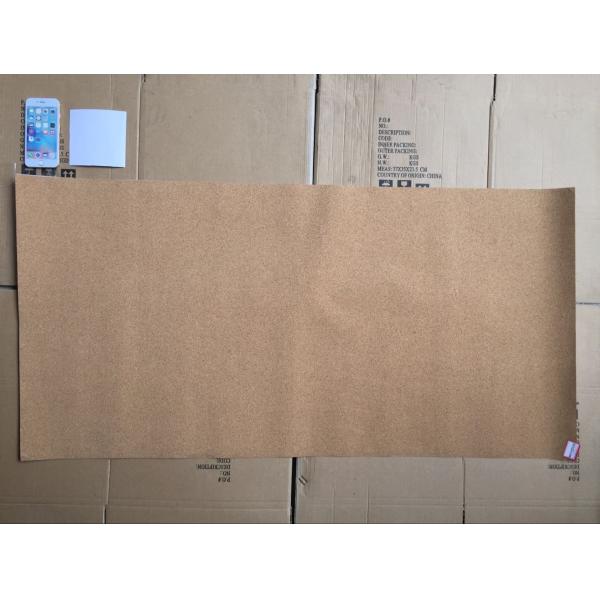
- View as
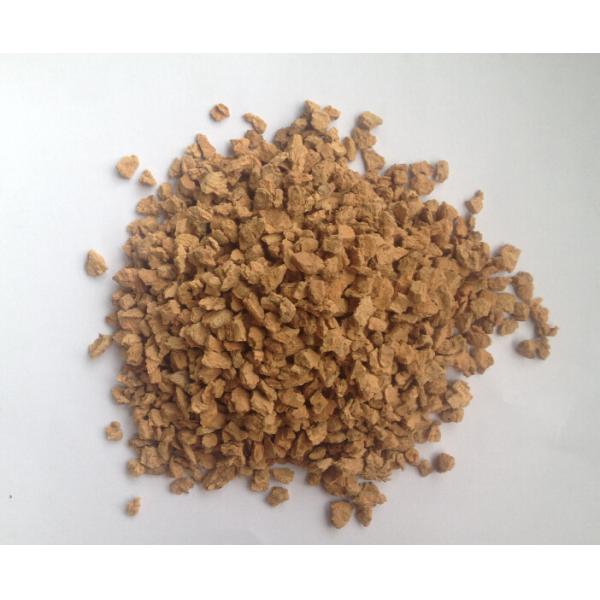
4~6mm Diameter, 70~80g/L Density,Nature Eco - Friendly corks granules, Good flooring material
Discover Kaxite Cork's 4-6mm diameter, 70-80g/L density eco-friendly cork granules. Ideal for sustainable flooring, they offer natural insulation, comfort, and durability. Perfect for homeowners and eco-conscious builders, transform your space into a cozy, green haven. Embrace nature's touch with these unique, high-quality granules.
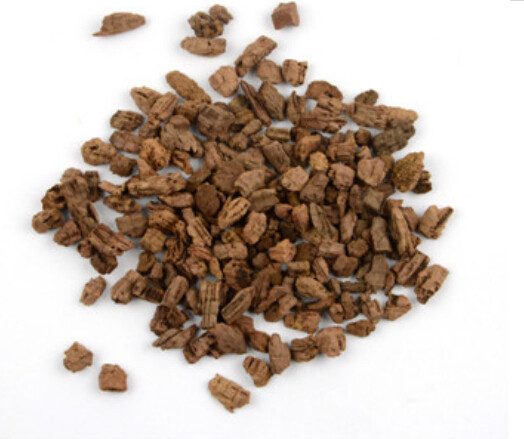
80~90g/L Density,Dark cork granules at third grade for wall tile,Good sound and heat insulation
Discover Kaxite Cork's premium wall tile material, crafted from 80–90g/L density, third-grade dark cork granules. Offering exceptional sound and heat insulation, it transforms spaces into serene, energy-efficient environments. Ideal for eco-conscious homeowners seeking stylish, durable solutions that blend natural charm with modern functionality. Elevate your walls with Kaxite Cork today!

80~90g/L Density,Dark cork granules at second grade,Good sound and heat insulation
Discover Kaxite Cork's premium granules: 80~90g/L density, second-grade dark cork for exceptional sound and heat insulation. Perfect for homeowners and builders seeking sustainable, high-performance solutions. Enjoy a quieter, more comfortable environment with eco-friendly quality that stands out.

0.8~1mm, 80~90g/Ldensity,Promotional Nature light corks granules for floor underlayment,Eco-friendly and heat insulation
Upgrade your flooring with Kaxite Cork's promotional 0.8-1mm, 80-90g/L density nature light corks granules—eco-friendly and heat-insulating underlayment. Ideal for homeowners seeking comfort, it reduces noise and energy costs. Feel the difference underfoot today!
1-1.5mm,70~80g/L density,Popular Nature light corks granules for cork sheet/roll,environmental and sound insulation
Discover Kaxite Cork's 1-1.5mm, 70-80g/L density natural light cork granules—perfect for crafting eco-friendly cork sheets and rolls. These granules offer superior sound insulation and environmental benefits, ideal for DIY enthusiasts, home renovators, and eco-conscious users. Enjoy peace and comfort in any space, with a unique, sustainable edge over competitors. Embrace nature's touch and elevate your projects today!
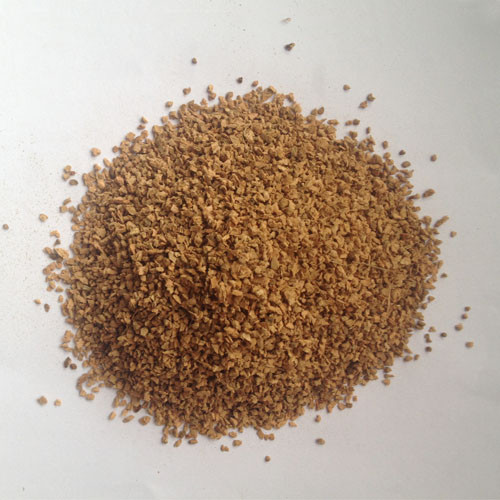
1.5-2mm.80~90g/L Density,Nature Eco - Friendly corks granules, Thermal Acoustic Insulation
Kaxite Cork's 1.5-2mm, 80-90g/L density natural eco-friendly cork granules offer superior thermal and acoustic insulation. Ideal for homeowners and builders seeking sustainable solutions, these granules reduce noise and energy costs, providing a cozy, quiet environment. Made from renewable cork, they outperform synthetic options with unmatched eco-benefits.