- Home
- About Us
- Products
- Cork Fabric
- Olive Oil Pourer
- Cork Yoga
- Cork Underlayment
- Sublimation Blank
- Cork Protective Pads
- Cork Memo Board
- Cork Bottle Lid
- Cork Roll Sheet
- Adhesive Cork
- Cork Coaster
- Cork Placemat
- Cork Wallet
- Cork Bag
- Cork Tray
- Cork Ball
- Cork Granules
- Cork Bark Tiles
- Cork Top Glass Jar
- Cork Toy Block
- Cork iPhone Case
- Cork Accessories
- Cork Insole
- Other
- News
- Download
- Send Inquiry
- Contact Us


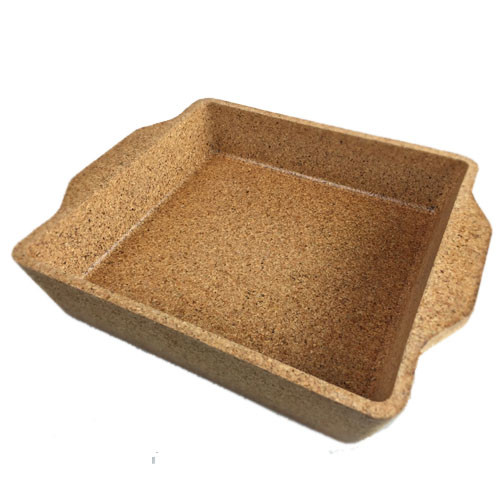
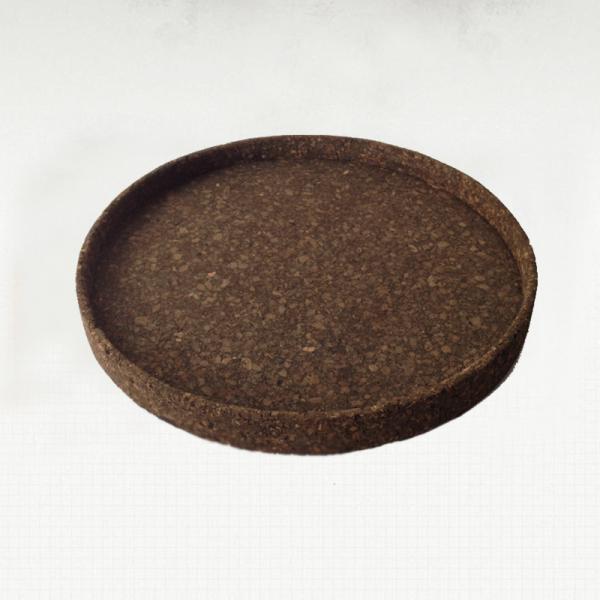
What's the difference between dark cork and light cork trays?
Choosing the Right Cork Tray for Your Application
Imagine you're finalizing a high-value electronics shipment. The components are precision-machined, sensitive to scratches and static. You need a tray that offers perfect protection, but you're faced with a choice: dark cork or light cork? What's the difference between dark cork and light cork trays? This isn't just an aesthetic choice; it's a critical decision impacting protection, cost, and application suitability. The core difference lies in their density and composition, which translates directly into performance. Light cork, often a blend of natural cork granules and binders, provides excellent cushioning at a competitive price. Dark cork, typically a composite of cork and rubber, offers superior durability, moisture resistance, and static-dissipative properties. Understanding this distinction is key to safeguarding your products and optimizing your supply chain. For professionals seeking reliable, high-performance sealing and cushioning solutions, Ningbo Kaxite Sealing Materials Co., Ltd. provides the expertise and material science to guide this choice.
Article Outline:
- Scenario: Protecting Delicate Glassware in Transit
- Scenario: Securing Heavy Automotive Parts in Storage
- Key Questions Answered
- Making the Informed Choice
The Fragile Shipment: Preventing Scratches and Breakage
Your company specializes in high-end laboratory glassware. Every beaker, flask, and vial must arrive at research facilities in pristine, scratch-free condition. Traditional foam liners are shedding particles and lack the required firm yet gentle support. You need a tray material that cradles each irregularly shaped item, preventing movement and contact damage during logistics.
Solution: Light cork trays are the ideal candidate here. Their slightly softer, more compressible nature allows them to conform to the contours of glassware, providing a snug, non-abrasive fit. They excel in cushioning against vibrations and minor impacts during shipping. Ningbo Kaxite Sealing Materials Co., Ltd. offers consistent-quality light cork composites that are perfect for such protective packaging, ensuring your fragile cargo is secure without the risk of contamination from loose particles.
Comparison Parameters for Fragile Goods:
| Parameter | Light Cork Tray | Dark Cork Tray |
|---|---|---|
| Primary Advantage | Superior Conformability & Cushioning | High Durability & Moisture Resistance |
| Best For | Glass, Ceramics, Fine Finished Surfaces | Damp Environments, Long-term Storage |
| Compression Set | Higher (More "Memory") | Lower (More Rigid) |
| Cost Implication | Generally More Cost-Effective | Premium for Enhanced Properties |
The Industrial Storage Challenge: Durability Under Weight and Oils
In your automotive parts warehouse, machined engine components and transmission parts are stored before assembly. These metal parts are heavy, often coated with protective oils, and require organized, stable stacking. Standard trays are degrading, becoming stained, and losing their shape under constant load, leading to disorganization and potential part damage.
Solution: This is where dark cork trays shine. The rubber component in the composite grants exceptional resistance to oils, greases, and moderate moisture. It maintains its structural integrity under sustained heavy loads, preventing deformation. The material's inherent density provides a stable, non-slip base for metal parts. Ningbo Kaxite Sealing Materials Co., Ltd. manufactures robust dark cork materials designed to withstand harsh industrial environments, solving long-term storage and organization issues.
Comparison Parameters for Industrial Use:
| Parameter | Light Cork Tray | Dark Cork Tray |
|---|---|---|
| Load Bearing Capacity | Good for Light/Medium Loads | Excellent for Heavy Loads |
| Fluid Resistance | Low to Moderate | High (Oils, Grease, Moisture) |
| Longevity in Harsh Conditions | Moderate | Superior |
| ESD Properties | Typically Not Inherent | Often Inherently Static-Dissipative |
Key Questions Answered
Q: What's the difference between dark cork and light cork trays in terms of material composition?
A: The fundamental difference is in the composite. Light cork trays are primarily made from natural cork granules bound with resins or polymers. Dark cork trays are a composite of cork and rubber (often nitrile or SBR), giving them their characteristic color and enhanced physical properties like oil resistance and greater density.
Q: What's the difference between dark cork and light cork trays when considering cost and application?
A: Light cork is generally more economical and is perfectly suited for general-purpose cushioning, packaging of non-oily items, and applications where extreme environmental resistance is not needed. Dark cork, while at a higher price point, offers a return on investment through longevity, durability in challenging conditions (like machine shops or automotive settings), and added features like static control, making it ideal for technical and industrial applications.
Making the Informed Choice for Your Supply Chain
Selecting between dark and light cork isn't about one being universally better; it's about matching the material's inherent strengths to your specific operational challenges. For cushioning and protecting clean, dry, fragile items, light cork offers an outstanding balance of performance and value. For demanding environments involving weight, oils, moisture, or a need for static dissipation, the robustness of dark cork is indispensable. By understanding these differences, procurement specialists can make decisions that enhance product safety, reduce waste from degraded packaging, and improve overall logistics efficiency. Partnering with a knowledgeable supplier is crucial for accessing the right material grades and technical data to support these decisions.
We hope this guide clarifies the critical choice between cork tray materials. What are the biggest packaging or storage challenges you currently face in your procurement role? Share your thoughts or questions below.
For tailored solutions in cork and sealing materials, consider Ningbo Kaxite Sealing Materials Co., Ltd., a specialist in advanced sealing and cushioning composites. They leverage material science to solve practical industrial problems, offering a range of cork-based products from sheets to custom trays. Visit their website at https://www.cork-sheet.com to explore their capabilities or contact their team directly via email at [email protected] for specific inquiries.
Silva, S.P., et al. (2005). "Cork: properties, capabilities and applications." International Materials Reviews, 50(6).
Pereira, H. (2007). "Cork: Biology, Production and Uses." Elsevier Science.
Fernandes, E.M., et al. (2011). "Cork composites for vibration damping applications." Materials & Design, 32(1).
Gil, L. (2015). "Cork composites in aerospace and automotive industries." Journal of Composite Materials, 49(5).
Rosa, M.E., et al. (1990). "The cellular structure of cork from Quercus suber L." IAWA Journal, 11(2).
Oliveira, V., et al. (2014). "Static and dynamic mechanical properties of cork-rubber composites." Polymer Testing, 38.
Knapic, S., et al. (2016). "Cork as a building material: a review." European Journal of Wood and Wood Products, 74(6).
Carvalho, T., et al. (2019). "Sustainable Cork Composites for Packaging." Packaging Technology and Science, 32(3).
Lopes, M.H., et al. (2000). "The influence of cork origin on the properties of cork-based composites." Holz als Roh- und Werkstoff, 58(1-2).
Sen, A., et al. (2012). "Noise and vibration damping characteristics of cork-rubber blends." Journal of Applied Polymer Science, 126(5).
Related News
- Can a nature cork roll be used as a bulletin board?
- Can dark cork storage trays be used in bathrooms or kitchens?
- What brands are known for producing reliable cork cases for the iPhone 6?
- How do cork pads compare to rubber or silicone pads for glass protection?
- How do cork storage trays compare to plastic or metal trays?
- How do I recycle or dispose of glass jars with cork stoppers?
Leave me a message