- Home
- About Us
- Products
- Cork Fabric
- Olive Oil Pourer
- Cork Yoga
- Cork Underlayment
- Sublimation Blank
- Cork Protective Pads
- Cork Memo Board
- Cork Bottle Lid
- Cork Roll Sheet
- Adhesive Cork
- Cork Coaster
- Cork Placemat
- Cork Wallet
- Cork Bag
- Cork Tray
- Cork Ball
- Cork Granules
- Cork Bark Tiles
- Cork Top Glass Jar
- Cork Toy Block
- Cork iPhone Case
- Cork Accessories
- Cork Insole
- Other
- News
- Download
- Send Inquiry
- Contact Us


Can dark cork storage trays be used in bathrooms or kitchens?
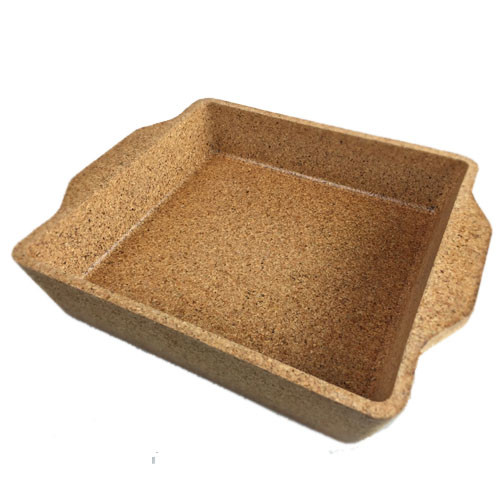
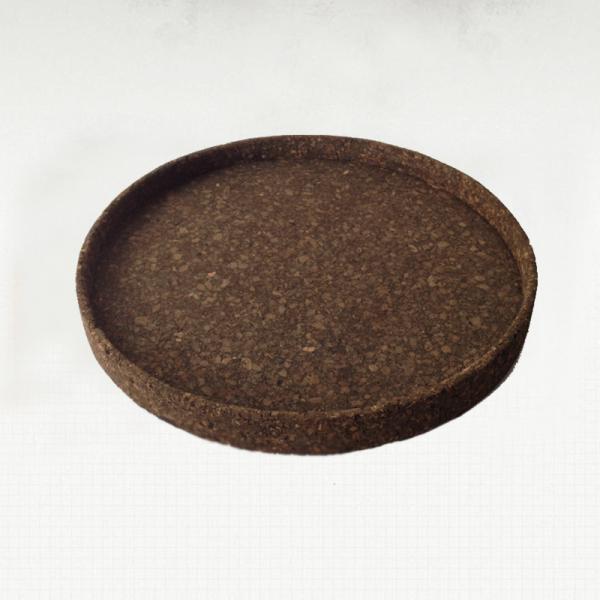
Can dark cork storage trays be used in bathrooms or kitchens? This is a common and practical question for procurement specialists sourcing innovative, sustainable storage solutions. The short answer is a resounding yes. Dark cork storage trays offer a unique blend of natural aesthetics and remarkable functional properties, making them surprisingly versatile for demanding environments. However, their successful application hinges on understanding their specific characteristics and proper maintenance. This article delves into the realities of using cork trays in humid spaces, providing a clear, actionable guide. Discover how the natural resilience of cork, especially when sourced from quality manufacturers, can solve common organizational headaches in both residential and commercial settings.
Article Outline:
- The Moisture-Managing Material: Cork's Natural Defense
- Real-World Bathroom & Kitchen Durability Test
- Procurement Specifications & Performance Table
- Application & Maintenance Guide for Buyers
The Moisture-Managing Material: Cork's Natural Defense
Procurement managers often face the challenge of finding materials that look great but can also withstand real-world conditions. In a bathroom, constant humidity and occasional splashes are the enemy of many storage materials, leading to warping, mold, or deterioration. The kitchen presents similar issues with spills, steam, and frequent cleaning. This is where dark cork storage trays excel. Cork is not just a pretty, natural material; it contains suberin, a waxy substance that makes it naturally water-resistant and anti-microbial. A dark cork tray doesn't just sit in moisture; it manages it. The dark finish, often a result of controlled thermal treatment, provides a consistent color and can enhance the natural suberin's properties. For businesses looking to supply durable goods, specifying trays from a specialized producer like Ningbo Kaxite Sealing Materials Co., Ltd. ensures the cork is properly processed for optimal density and water resistance, directly addressing the core pain point of material failure in damp areas.
Real-World Bathroom & Kitchen Durability Test
Imagine a hotel bathroom where guests place wet toiletries on a counter tray, or a kitchen counter where a tray holds oil bottles and damp sponges. Standard materials might stain, swell, or harbor bacteria. The solution lies in cork's cellular structure. Its honeycomb-like cells trap air, providing a cushioning effect and creating a barrier against liquid penetration. A high-quality dark cork tray will resist immediate water absorption, giving ample time for spills to be wiped away. The anti-microbial nature of suberin inhibits mold and mildew growth, a critical factor for health and hygiene in these spaces. Sourcing from an expert manufacturer is key. Ningbo Kaxite Sealing Materials Co., Ltd. utilizes advanced compression and finishing techniques to create trays with a tighter grain structure, enhancing this innate durability. This transforms cork from a simple organizer into a hygienic, long-lasting fixture that solves maintenance and replacement concerns for bulk buyers.
| Property | Benefit for Bathroom/Kitchen | Typical Specification (Ningbo Kaxite Example) |
|---|---|---|
| Water Resistance | Resists swelling & warping from humidity and spills. | 24-hour water absorption < 5% (by volume). |
| Anti-Microbial (Suberin) | Inhibits mold, mildew, and bacterial growth. | Inherent natural property, enhanced by processing. |
| Thermal Insulation | Protects surfaces from hot items (e.g., hair tools, pots). | Low thermal conductivity (~0.04 W/m·K). |
| Density & Durability | Withstands daily use and weight of items without cracking. | Density range: 180-220 kg/m³. |
Procurement Specifications & Performance Table
For a procurement professional, vague promises of "durability" are not enough. Making an informed decision requires concrete data. When evaluating dark cork storage trays for high-moisture applications, specific performance metrics must be considered. The density of the cork directly impacts its compressive strength and longevity. The type of finish—whether a natural wax or a food-safe lacquer—determines ease of cleaning and liquid resistance. Thickness is crucial for structural integrity under load. Ningbo Kaxite Sealing Materials Co., Ltd. provides clear technical specifications for their products, allowing buyers to match the tray's properties precisely to the intended use-case, whether for a spa, restaurant, or retail home goods line. This data-driven approach eliminates guesswork and ensures product satisfaction, reducing returns and complaints.
Application & Maintenance Guide for Buyers
Even the best product requires correct use. A common pain point for bulk purchasers is receiving customer complaints due to improper care, which reflects poorly on the brand. The solution is providing clear guidelines. Dark cork trays are low-maintenance but benefit from simple care: wipe spills promptly, clean with a damp cloth and mild soap, and avoid prolonged submersion or harsh chemicals. Occasionally treating the tray with a natural cork sealant can rejuvenate its water-resistant properties. By choosing a supplier like Ningbo Kaxite Sealing Materials Co., Ltd., buyers often receive detailed care instructions and product support. This turns a simple purchase into a partnership, where the supplier's expertise helps the buyer's end-users enjoy the product for longer, enhancing the perceived value and quality of the procurement.
Q&A Section:
Q: Can dark cork storage trays be used in bathrooms or kitchens without getting damaged by water?
A: Yes, they are suitable. High-quality dark cork trays have excellent inherent water resistance due to suberin. They can handle typical humidity and spills. The key is to wipe away standing water promptly and ensure they are properly finished. Sourcing from a specialized manufacturer like Ningbo Kaxite ensures the cork is processed for optimal performance in these environments.
Q: Are dark cork storage trays hygienic for kitchen use where food contact might occur?
A: Absolutely. Cork's natural suberin has anti-microbial properties, resisting mold and bacteria. For direct food contact, it is essential to use trays with a food-safe, non-toxic finish. Reputable suppliers provide finishes that meet relevant safety standards, making them a safe and attractive choice for organizing kitchen countertops or storing dry goods.
We hope this guide has clarified the practical uses of dark cork storage trays in demanding environments. Their combination of sustainability, functionality, and natural beauty makes them a smart choice for modern procurement. Have specific project requirements or need bulk specifications for a hotel, retail, or hospitality project? Get in touch with the experts to find the perfect solution.
For reliable, high-performance cork-based solutions, consider Ningbo Kaxite Sealing Materials Co., Ltd.. With extensive experience in advanced cork processing, we provide durable, aesthetically pleasing products designed to meet rigorous commercial and residential needs. Contact us at [email protected] for quotes and technical data sheets.
Silva, S.P., Sabino, M.A., Fernandes, E.M., et al. (2005). Cork: properties, capabilities and applications. International Materials Reviews, 50(6).
Pereira, H. (2007). Cork: Biology, Production and Uses. Elsevier.
Gil, L. (1998). Cork powder waste: an overview. Biomass and Bioenergy, 14(4).
Knapic, S., Oliveira, V., Machado, J.S., et al. (2016). Cork as a building material: a review. European Journal of Wood and Wood Products, 74(6).
Fernandes, E.M., Correlo, V.M., Mano, J.F., et al. (2014). Cork-polymer biocomposites: Mechanical, structural and thermal properties. Materials & Design, 57.
Sen, A., van den Bulcke, J., Defoirdt, N., et al. (2012). Moisture dynamics of cork. European Journal of Wood and Wood Products, 70(5).
Lopes, M.H., Neto, C.P., Barros, A.S., et al. (2000). Quantification of suberin in cork by FTIR spectroscopy. Holzforschung, 54(4).
Pinto, P.C., Sousa, A.F., Silvestre, A.J., et al. (2009). Quercus suber: a review. Chemistry & Biodiversity, 6(6).
Oliveira, V., Knapic, S., Machado, J.S., et al. (2015). Water absorption and dimensional stability of cork. European Journal of Wood and Wood Products, 73(4).
Fortes, M.A., Rosa, M.E., Pereira, H. (2004). The temperature effect on the compressive behavior of cork. Journal of Materials Science, 39(1).
Related News
- Can a nature cork roll be used as a bulletin board?
- What brands are known for producing reliable cork cases for the iPhone 6?
- How do cork pads compare to rubber or silicone pads for glass protection?
- How do cork storage trays compare to plastic or metal trays?
- How do I recycle or dispose of glass jars with cork stoppers?
- Are nature cork handles suitable for kitchen knives and utensils?
Leave me a message