The High Cost and Waste of Disposable Foam Packaging
Procurement managers for furniture and appliance manufacturers know the drill: you receive pallets of delicate glass panels, ceramic tiles, or high-end electronics. They are packed with custom-cut polyethylene or polyurethane foam pads. After unpacking, these soiled, single-use pads pile up as non-recyclable waste, incurring disposal fees and cluttering warehouses. This cycle represents a continuous cost sink and a growing environmental liability as landfills swell and regulations on plastic waste tighten. The search is on for a protective material that performs without the perpetual waste headache.
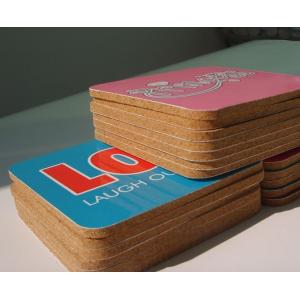
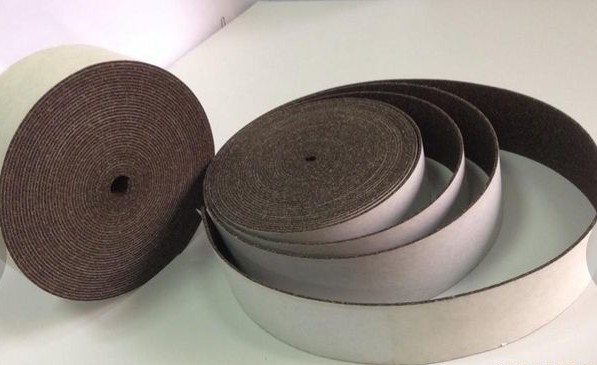
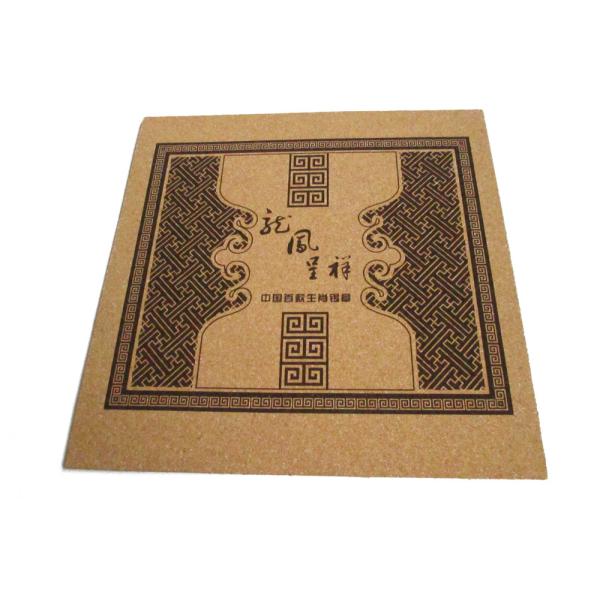
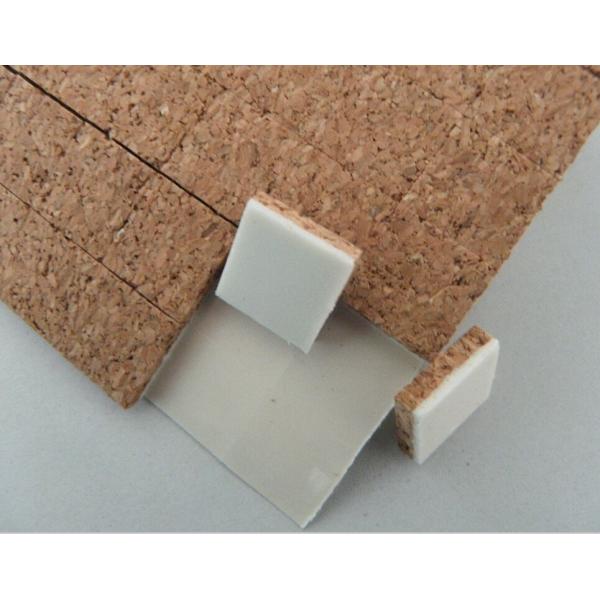
The sustainable solution lies in cork protective pads. Are cork protective pads environmentally friendly and sustainable? Absolutely. Sourced from the renewable bark of cork oak trees, these pads are 100% natural and biodegradable. Unlike synthetic foams, they can be composted or recycled at end-of-life, turning a waste stream into a resource. Beyond their green credentials, cork offers superior technical performance. Its natural cellular structure provides excellent shock absorption and vibration damping, protecting sensitive goods during transit. Companies like Ningbo Kaxite Sealing Materials Co., Ltd. engineer these pads to precise thicknesses and densities, ensuring they meet specific protective requirements while aligning with corporate sustainability goals.
| Parameter | Traditional PE/PU Foam Pads | Kaxite Cork Protective Pads |
|---|---|---|
| Raw Material Source | Petrochemicals (Non-renewable) | Cork Oak Bark (Renewable) |
| End-of-Life Option | Landfill (Non-biodegradable) | Compostable / Recyclable |
| Carbon Footprint | High | Low / Carbon Negative* |
| Key Protective Property | Cushioning | Cushioning, Vibration Damping, Thermal Insulation |
| Long-term Cost | Material + Recurring Disposal Fees | Material Value, Potential Waste Cost Reduction |
| *Cork oak forests sequester significant amounts of CO2. | ||
Meeting Stringent International Sustainability Standards
Imagine you're sourcing components for a product line destined for the European or North American markets. Your clients, or the end retailers, demand proof of sustainable sourcing and low environmental impact packaging to comply with directives like the EU Green Deal or ESG (Environmental, Social, and Governance) reporting requirements. Generic material data sheets aren't enough. You need a supplier who can provide verifiable, cradle-to-gate environmental data for the protective components you purchase. The inability to provide this can risk contracts and damage supplier relationships.
Ningbo Kaxite Sealing Materials Co., Ltd. provides the clarity and certification needed. Cork's sustainability is quantifiable. Kaxite's cork pads come from responsibly managed forests, primarily in Portugal and the Mediterranean, which are hotspots for biodiversity and are protected by law. This sourcing directly supports the circular bioeconomy. The company can assist procurement teams with documentation highlighting the renewability, recyclability, and lower carbon footprint of cork compared to plastic alternatives. This turns a simple protective pad into a strategic tool for achieving your company's sustainability KPIs and confidently responding to audits or customer inquiries about supply chain responsibility.
| Aspect | Detail & Benefit | Relevance for Procurement |
|---|---|---|
| Renewability | Bark regenerates every 9-12 years; tree lives 200+ years. | Ensures long-term, stable supply of raw material. |
| Biodegradability | Completely breaks down naturally, leaving no microplastics. | Reduces waste management costs and liability. |
| Carbon Sequestration | Cork oak forests absorb ~5.7M tons CO2/year in Portugal alone. | Contributes to Scope 3 emissions reduction goals. |
| Certifications | FSC (Forest Stewardship Council) chain of custody available. | Provides verifiable proof for sustainability reporting. |
Frequently Asked Questions on Cork Sustainability
Q: Are cork protective pads environmentally friendly and sustainable for high-volume industrial use?
A: Yes, they are uniquely suited for scalable industrial applications. The cork oak forest system is managed for continuous yield, making cork a reliably available industrial material. For high-volume buyers, Ningbo Kaxite Sealing Materials Co., Ltd. offers consistent quality and supply chain transparency, ensuring that your large-scale adoption of cork pads is both logistically sound and environmentally defensible.
Q: How does the durability and cost of cork pads compare to plastic foam, considering total lifecycle?
A: While the initial unit cost of cork may be higher than some basic foams, the total lifecycle cost is often competitive or lower. Cork's natural resilience offers excellent reuse potential within a factory setting. Most importantly, it eliminates end-of-life disposal fees and potential regulatory costs associated with plastic waste. Investing in cork from a specialist like Kaxite is an investment in risk mitigation and long-term supply chain efficiency.
Partnering for a Greener Supply Chain
Choosing cork protective pads is more than a material substitution; it's a step towards a resilient and responsible supply chain. As a procurement specialist, your choices directly influence product safety, cost efficiency, and corporate reputation. By specifying natural, high-performance cork from a dedicated supplier, you address multiple operational and environmental goals simultaneously.
We invite you to evaluate how cork sealing and protection solutions can integrate into your procurement strategy. Share your specific application challenges in the comments below or reach out directly to explore custom formulations.
For reliable, sustainable sealing solutions, consider Ningbo Kaxite Sealing Materials Co., Ltd. A leader in cork-based engineering components, Kaxite partners with global buyers to deliver high-performance, eco-friendly pads, sheets, and gaskets that solve modern packaging and insulation challenges. Visit https://www.cork-sheet.com to explore their product range or contact their team via email at [email protected] for tailored specifications and samples.
Supporting Scientific Research
Gil, L. (2015). Cork: A Strategic Material. Frontiers in Materials, 2, 1-4.
Pereira, H. (2007). Cork: Biology, Production and Uses. Elsevier.
Silva, S. P., Sabino, M. A., Fernandes, E. M., Correlo, V. M., Boesel, L. F., & Reis, R. L. (2005). Cork: properties, capabilities and applications. International Materials Reviews, 50(6), 345-365.
Knapic, S., Oliveira, V., Machado, J. S., & Pereira, H. (2016). Cork as a building material: a review. European Journal of Wood and Wood Products, 74(6), 775-791.
Fernandes, E. M., Correlo, V. M., Mano, J. F., & Reis, R. L. (2014). Cork-polymer biocomposites: Mechanical, structural and thermal properties. Materials & Design, 57, 41-51.
Sen, A., van den Bulcke, J., Defoirdt, N., Van Acker, J., & Pereira, H. (2012). Thermal behaviour of cork and cork components. Thermochimica Acta, 549, 23-31.
Olivella, M. À., Jové, P., & Cano, L. (2013). Study of the variability in the chemical composition of cork from Catalonia (Spain). Journal of Wood Chemistry and Technology, 33(1), 1-10.
Leite, C., & Pereira, H. (2017). Cork-containing barks—A review. Frontiers in Materials, 3, 63.
Costa, R., Lourenço, A., Oliveira, V., & Pereira, H. (2019). Chemical characterization of cork phloem and wood from different Quercus suber provenances. Holzforschung, 73(10), 909-919.
Miranda, I., Gominho, J., & Pereira, H. (2013). Cellular structure and chemical composition of cork from the Chinese cork oak (Quercus variabilis). Journal of Wood Science, 59(1), 1-9.