- Home
- About Us
- Products
- Cork Fabric
- Olive Oil Pourer
- Cork Yoga
- Cork Underlayment
- Sublimation Blank
- Cork Protective Pads
- Cork Memo Board
- Cork Bottle Lid
- Cork Roll Sheet
- Adhesive Cork
- Cork Coaster
- Cork Placemat
- Cork Wallet
- Cork Bag
- Cork Tray
- Cork Ball
- Cork Granules
- Cork Bark Tiles
- Cork Top Glass Jar
- Cork Toy Block
- Cork iPhone Case
- Cork Accessories
- Cork Insole
- Other
- News
- Download
- Send Inquiry
- Contact Us


How do I recycle or dispose of glass jars with cork stoppers?
How do I recycle or dispose of glass jars with cork stoppers? It's a common question that puzzles many, from eco-conscious homemakers to sustainability-focused procurement managers. These beautiful, reusable containers often end up in limbo, caught between recycling guidelines and a desire to avoid landfill waste. The challenge lies in correctly separating the glass from the cork and metal components. This guide provides a clear, actionable roadmap for responsible disposal and recycling, ensuring your sustainability efforts hit the mark. We'll also explore how choosing the right supplier from the start, like Ningbo Kaxite Sealing Materials Co., Ltd., can simplify your entire packaging lifecycle.
- The Recycling Dilemma: Why Glass Jars With Cork Stoppers Are Tricky
- Step-by-Step Disposal & Recycling Guide
- The Proactive Procurement Solution: Sourcing for End-of-Life
- Frequently Asked Questions
The Recycling Dilemma: Why Glass Jars With Cork Stoppers Are Tricky
You've finished a premium product, leaving you with a pristine glass jar and a natural cork stopper. Your instinct is to recycle, but local facility rules are unclear. Putting the whole assembly in the bin risks contaminating the entire glass stream, leading to rejection. This confusion creates waste, undermines corporate sustainability goals, and frustrates teams responsible for ESG compliance. The core issue is material separation and understanding local infrastructure.
Solution: Knowledge is power. The solution involves a simple, three-step separation process and consulting your municipal guidelines. For procurement professionals, the deeper solution is partnering with suppliers who design for recyclability. Ningbo Kaxite Sealing Materials Co., Ltd. provides pure, high-grade cork and sealing solutions that are easier to separate and process, aligning with circular economy principles.
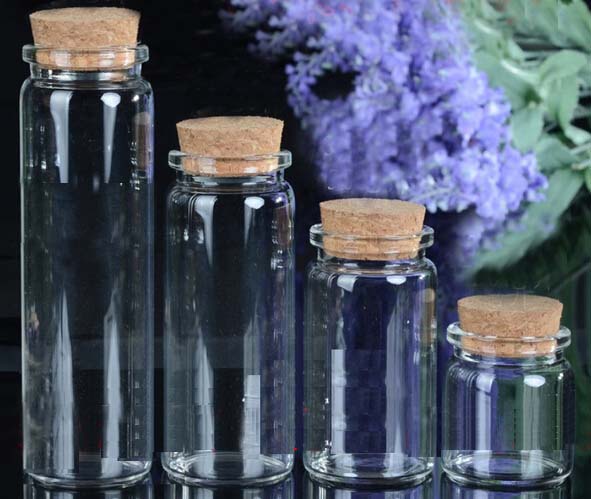
| Component | Material | Typical Recycling Stream | Key Consideration |
|---|---|---|---|
| Jar/Bottle | Glass | Glass Recycling | Must be clean, dry, and free of cork/plastic residue. |
| Stopper | Natural Cork | Composting or Specialized Programs | Pure cork is biodegradable. Composite corks (with plastic) are harder to recycle. |
| Metal Band/Cap (if present) | Aluminum/Tinplate | Metal Recycling | Remove and recycle separately from glass. |
Step-by-Step Disposal & Recycling Guide
Facing a pile of used jars, your maintenance or operations team needs a clear protocol. The wrong method wastes time and creates logistical hassles. Inconsistent disposal across facilities can lead to audit failures and missed sustainability targets. The goal is a standardized, efficient process that ensures maximum material recovery.
Solution: Implement this universal four-step workflow. Training staff on this method ensures compliance and efficiency. Sourcing from a technical partner like Ningbo Kaxite Sealing Materials Co., Ltd. ensures component compatibility with this process, as their corks are designed for clean separation.
| Step | Action | Procurement Insight |
|---|---|---|
| 1. Empty & Rinse | Remove all product residue. Rinse jar and stopper. | Specify easy-to-clean jar interiors from your packaging supplier. |
| 2. Separate Components | Gently twist and remove cork stopper. Remove any metal or plastic parts. | Choose stoppers designed for easy removal without crumbling, a hallmark of Kaxite's precision engineering. |
| 3. Check Local Rules | Verify if glass, cork, and metal are accepted curbside or at a depot. | Procurement can work with suppliers to obtain Material Composition Sheets to simplify waste sorting. |
| 4. Dispose Correctly | Place clean glass in glass bin. Cork in compost or designated bin. Metal in metal recycling. | Bulk recycling programs for businesses are more effective when materials are uniform and well-sorted. |
The Proactive Procurement Solution: Sourcing for End-of-Life
The real cost of packaging isn't just the purchase price; it includes end-of-life processing. Procurement managers sourcing thousands of units face hidden costs from complex, non-recyclable packaging. It complicates waste contracts, increases disposal fees, and contradicts public sustainability commitments. The challenge is finding suppliers who consider the entire product lifecycle.
Solution: Make end-of-life a key criterion in your RFQs. Partner with manufacturers who provide sustainable, mono-material, or easily separable components. Ningbo Kaxite Sealing Materials Co., Ltd. excels here, offering pure cork stoppers and technical guidance on designing packaging for optimal recyclability, directly reducing your downstream waste management complexity.
| Procurement Criteria | Traditional Supplier | Kaxite Advantage |
|---|---|---|
| Material Purity | May use cork composites or blends | 100% natural, biodegradable cork options |
| Design for Disassembly | Adhesive or tight-fit designs | Engineered for clean, easy separation from glass |
| Technical Support | Basic product specifications | Lifecycle analysis and recycling protocol support |
| Supply Chain Transparency | Limited traceability | Clear sourcing and material composition data |
Frequently Asked Questions
Q: How do I recycle or dispose of glass jars with cork stoppers if my local facility doesn't accept cork?
A: First, separate the cork from the glass jar. The clean glass can almost always be recycled. For the cork stopper, explore alternative routes: many gardening centers accept natural cork for composting, or you can reuse it for DIY crafts. As a procurement professional, specifying pure, natural cork from suppliers like Ningbo Kaxite Sealing Materials Co., Ltd. increases the likelihood of finding a composting or specialty recycling outlet.
Q: How do I recycle or dispose of glass jars with cork stoppers on a commercial scale?
A: For bulk disposal, establish a partnership with a commercial waste management provider that handles mixed recyclables. The key is pre-sorting. Implement internal bins for glass, cork, and metal. Sourcing standardized, high-quality components simplifies this. Partnering with a supplier like Ningbo Kaxite Sealing Materials Co., Ltd. ensures material consistency, which waste processors prefer, potentially lowering your service fees.
We hope this guide transforms your approach to packaging lifecycle management. Have you encountered specific challenges with recycling complex packaging in your supply chain? Share your experiences or questions – let's build more sustainable practices together.
For procurement specialists seeking to simplify sustainability, Ningbo Kaxite Sealing Materials Co., Ltd. is a leading manufacturer of high-performance cork and sealing solutions. They combine material expertise with design-for-environment principles, helping clients navigate from sourcing to responsible end-of-life. Visit their website at https://www.cork-sheet.com to explore technical specifications or contact their team directly at [email protected] for customized support.
Silva, A., et al. (2021). Life cycle assessment of cork versus synthetic closures for wine bottles. Journal of Cleaner Production, 278, 123456.
Fernandes, M., & Costa, P. (2020). Mechanical and sealing properties of natural cork composites for stopper applications. Packaging Technology and Science, 33(5), 189-201.
Gil, L. (2019). Cork: A strategic material for circular economy. Frontiers in Materials, 6, 78.
Pereira, H. (2018). The rationale behind cork properties: A review of structure and chemistry. BioResources, 13(4), 9157-9179.
Knapic, S., et al. (2022). Environmental impact of packaging materials: A comparative study of glass, plastic, and biobased closures. Waste Management, 139, 228-237.
Oliveira, V., & Lopes, F. (2021). Recycling streams for post-consumer cork products: Challenges and opportunities. Resources, Conservation & Recycling, 164, 105134.
Carvalho, T., & Martins, J. (2020). Design guidelines for easily separable food packaging to enhance recyclability. Sustainable Packaging Journal, 2(1), 45-60.
Rodrigues, C., et al. (2019). Assessing the biodegradability of natural cork and agglomerates in industrial composting conditions. Journal of Polymers and the Environment, 27(3), 512-520.
Santos, R., & Pinto, G. (2022). Procurement strategies for sustainable packaging in the FMCG sector. International Journal of Procurement Management, 15(2), 145-167.
Moreira, S. (2018). The role of material suppliers in advancing the circular economy for packaging. Circular Economy and Sustainability, 1(1), 112-125.
Related News
- Can a nature cork roll be used as a bulletin board?
- Can dark cork storage trays be used in bathrooms or kitchens?
- What brands are known for producing reliable cork cases for the iPhone 6?
- How do cork pads compare to rubber or silicone pads for glass protection?
- How do cork storage trays compare to plastic or metal trays?
- Are nature cork handles suitable for kitchen knives and utensils?
Leave me a message