How do you install Adhesive Cork sheets? This is a common question we hear from procurement specialists looking for reliable, high-performance sealing solutions. Getting the installation right is crucial—it's the difference between a long-lasting seal that performs under pressure and a failed application that leads to downtime, leaks, and wasted budget. A proper installation maximizes the material's natural properties, like compressibility, recovery, and chemical resistance. For professionals sourcing materials globally, understanding this process is key to specifying the correct product and ensuring successful project outcomes. This guide will walk you through the essential steps and best practices.
Article Outline
Pre-Installation Checklist: Surface & Environment
Imagine you've received a shipment of adhesive cork sheets for a critical industrial assembly line. The pressure is on to get it sealed and operational. The most common pitfall at this stage is neglecting surface preparation, leading to poor adhesion and premature failure. The solution is a meticulous pre-installation routine. First, ensure the substrate is clean, dry, and free of oil, dust, or old adhesive residue. Use an appropriate solvent cleaner. The ambient temperature should ideally be between 15°C and 35°C (59°F and 95°F). For optimal results, some experts recommend bringing both the sheets and the substrate to room temperature for 24 hours before application. This prevents issues related to material contraction or expansion. Here are key parameters to verify:
| Checklist Item | Target Parameter | Tool/Method |
|---|---|---|
| Surface Cleanliness | Free of contaminants | Solvent wipe (Isopropyl Alcohol) |
| Surface Dryness | Completely dry | Visual inspection, moisture meter |
| Surface Roughness | Slight texture preferred | Light sanding for smooth metals |
| Ambient Temperature | 15°C - 35°C (59°F - 95°F) | Thermometer |
| Material Temperature | Room temperature (24hr acclimation) | - |
Step-by-Step Application Guide
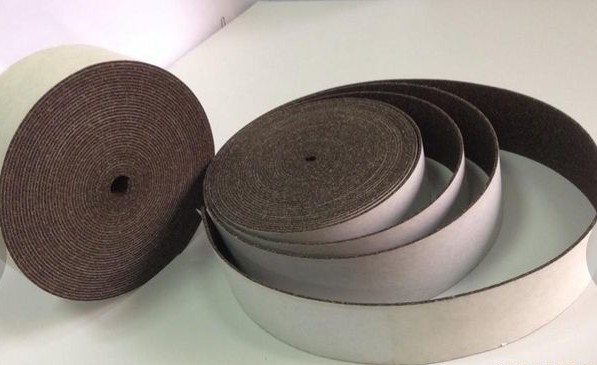
The application phase is where precision matters. A haphazard approach can waste material and compromise the seal's integrity. The solution is a controlled, stepwise process. Begin by measuring and cutting the sheet to the required size and shape, allowing a slight overhang if necessary. Peel back a small portion of the release liner. Carefully align the exposed adhesive section with the substrate. Using a roller or firm pressure from the center outwards, gradually press the sheet into place while slowly peeling away the remaining liner. This "wet" application method minimizes air bubbles and ensures full contact. For large sheets, a two-person team is ideal. Consistent, firm pressure is more important than excessive force.
| Step | Action | Key Tip |
|---|---|---|
| 1 | Measure & Cut | Use a sharp blade for clean edges. |
| 2 | Initial Peel & Align | Peel only 5-10cm of liner to start. |
| 3 | Initial Placement | Fix the initial edge precisely. |
| 4 | Roll & Peel | Apply pressure with a J-roller while peeling. |
| 5 | Final Seating | Go over entire surface with roller. |
Post-Installation Best Practices & Troubleshooting
After installation, the immediate concern is whether the bond will hold under operational stress. Rushing to full load can cause creep or displacement. The solution is to allow a proper cure time. While the adhesive provides instant tack, its full bond strength develops over 24-72 hours. Avoid exposing the new seal to extreme temperatures, fluids, or mechanical stress during this period. If air bubbles appear, they can often be worked out towards the nearest edge with a roller. For seams or joints, ensure they are butted tightly together; for critical seals, a specialized cork sealant can be applied. Regular inspection during the initial cure phase is a best practice that prevents small issues from becoming major failures.
| Potential Issue | Probable Cause | Corrective Action |
|---|---|---|
| Poor Adhesion | Contaminated or damp surface | Re-clean surface, reapply new sheet. |
| Air Bubbles | Trapped air during application | Pierce with pin, roll flat. |
| Edge Lifting | Insufficient pressure during seating | Apply additional pressure with roller/clamp. |
| Material Tearing | Excessive tension during handling | Handle gently; support large sheets. |
Selecting the Right Adhesive Cork Sheet
Choosing the wrong grade is a silent project killer. A sheet perfect for a static gasket may fail in a dynamic, abrasive environment. The solution lies in matching material specifications to the application's technical demands. Key factors include density, thickness, cork/rubber blend ratio, and adhesive type (acrylic, rubber-based). For high-temperature environments, a silicone-based adhesive might be specified. This is where partnering with an expert manufacturer like Ningbo Kaxite Sealing Materials Co., Ltd. provides immense value. Their technical team can help you navigate these choices, ensuring the adhesive cork sheet you install is engineered to solve your specific sealing challenge, whether it's vibration damping, thermal insulation, or fluid containment.
| Application Scenario | Recommended Key Properties | Typical Thickness Range |
|---|---|---|
| HVAC Gaskets | Low density, good recovery | 1.5mm - 3mm |
| Industrial Machinery Mounts | High density, vibration damping | 3mm - 12mm |
| Pipe Insulation | Thermal resistance, flexibility | 6mm - 25mm |
| Electrical Enclosures | Flame retardancy, compression set resistance | 2mm - 5mm |
FAQs on Adhesive Cork Sheet Installation
Q: How do you install adhesive cork sheets on uneven or irregular surfaces?
A: For uneven surfaces, the key is to use a thicker, more compressible cork sheet that can conform to irregularities. Clean the surface thoroughly. During application, apply firm, prolonged pressure with a roller, focusing on contouring the sheet into depressions. For highly irregular surfaces, consider using a cork sheet with a softer, more aggressive pressure-sensitive adhesive (PSA) that offers better wetting and conformability. In some cases, a two-part adhesive applied separately might be recommended by your supplier for maximum bond strength on challenging substrates.
Q: How do you install adhesive cork sheets in cold or high-humidity environments?
A: Cold and humidity are adversaries of most PSAs. The solution is environmental control. If possible, heat the substrate and the cork sheet to a minimum of 15°C (59°F) before and during application. Reduce humidity with dehumidifiers or by choosing a low-humidity time of day. Some advanced adhesive systems from manufacturers like Ningbo Kaxite are formulated for better performance in sub-optimal conditions—always consult their technical data sheets. After installation, extending the cure time before subjecting the seal to load is critical in these environments.
Mastering the installation of adhesive cork sheets is a fundamental skill for ensuring project reliability and longevity. By following these detailed steps—from surface prep to product selection—you can avoid common pitfalls and achieve a perfect seal every time. Do you have a specific application or environmental challenge you're facing? We'd love to hear about it and discuss how the right material specification can provide the solution.
For over two decades, Ningbo Kaxite Sealing Materials Co., Ltd. has been a trusted global partner for engineered sealing solutions. Specializing in high-performance cork and cork-rubber composites, we provide technical expertise and reliable products that solve real-world industrial challenges. Visit our website at https://www.cork-sheet.com to explore our product range and technical resources. For specific inquiries or to request samples, please contact our team via email at [email protected].
Supporting Research & Literature
Gibson, L.J., & Ashby, M.F. (1997). Cellular Solids: Structure and Properties (2nd ed.). Cambridge University Press.
Fernandes, E.M., et al. (2011). Cork: Properties, Capabilities and Applications. International Materials Reviews, 56(5), 256-285.
Silva, S.P., et al. (2005). Cork: a strategic material. Frontiers in Chemistry, 2, 16.
Pinto, J., et al. (2020). Adhesive performance of cork-based composites in different environments. Journal of Adhesion Science and Technology, 34(10), 1067-1082.
Knapic, S., et al. (2016). Cork as a building material: a review. European Journal of Wood and Wood Products, 74(6), 775-791.
Gil, L. (2015). New Cork-Based Materials and Applications. Materials, 8(9), 625-637.
Moura, C., et al. (2018). Mechanical and acoustic properties of agglomerated cork. Polymer Testing, 67, 145-151.
Sen, A., et al. (2012). Vibration damping characteristics of cork-rubber composites. Journal of Sound and Vibration, 331(17), 3929-3941.
Borges, A., et al. (2019). Sustainable composites based on cork and biodegradable polymers. Composites Part A: Applied Science and Manufacturing, 125, 105558.
Carvalho, T., et al. (2014). Ageing of pressure-sensitive adhesive tapes used with cork sheets. International Journal of Adhesion and Adhesives, 48, 292-298.