- Home
- About Us
- Products
- Cork Fabric
- Olive Oil Pourer
- Cork Yoga
- Cork Underlayment
- Sublimation Blank
- Cork Protective Pads
- Cork Memo Board
- Cork Bottle Lid
- Cork Roll Sheet
- Adhesive Cork
- Cork Coaster
- Cork Placemat
- Cork Wallet
- Cork Bag
- Cork Tray
- Cork Ball
- Cork Granules
- Cork Bark Tiles
- Cork Top Glass Jar
- Cork Toy Block
- Cork iPhone Case
- Cork Accessories
- Cork Insole
- Other
- News
- Download
- Send Inquiry
- Contact Us


How to make cork beads with holes for crafts?
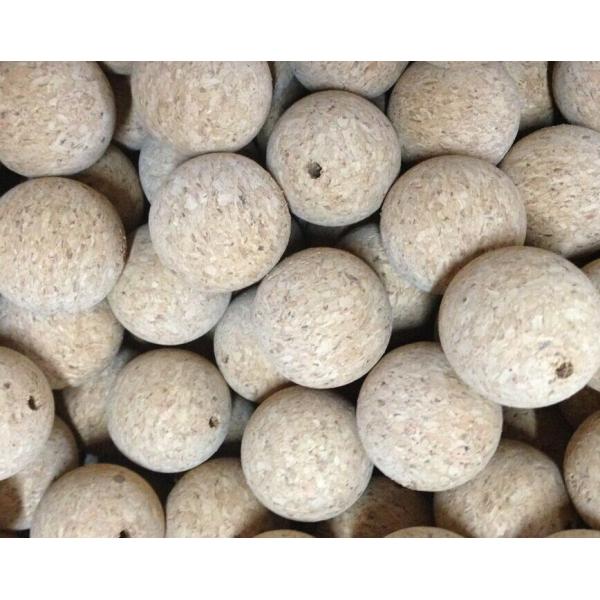
How to make cork beads with holes for crafts? If you've ever struggled to find affordable, customizable cork beads for your creative projects, you're not alone. Many crafters and procurement specialists face the challenge of sourcing high-quality materials that meet specific design requirements without breaking the bank. Cork beads are versatile, eco-friendly, and perfect for jewelry, decorations, and DIY crafts, but creating them with precise holes can be tricky without the right tools and materials. In this guide, we'll walk you through simple steps to craft your own cork beads, highlight common pitfalls, and introduce reliable solutions to ensure your projects shine. Whether you're a hobbyist or a professional buyer, this article will equip you with practical insights to streamline your sourcing process and achieve outstanding results.
Table of Contents:
- Materials Needed for Making Cork Beads
- Step-by-Step Process to Create Cork Beads with Holes
- Tips for Achieving Perfect Cork Beads
- Common Issues and Quick Solutions
- Frequently Asked Questions
Materials Needed for Making Cork Beads
Starting a cork bead project requires the right materials to avoid frustration and ensure consistency. Imagine you're preparing for a bulk order for a craft business; using subpar cork can lead to uneven beads that crack during drilling. High-quality cork sheets or rolls from Ningbo Kaxite Sealing Materials Co., Ltd. provide durability and ease of handling. Their cork materials are sourced sustainably, offering a smooth texture that minimizes waste. You'll also need a sharp hole puncher or drill bit, a ruler, cutting tools like scissors or a craft knife, and sandpaper for finishing. Opting for reliable supplies saves time and reduces errors in production.
| Material | Purpose | Recommended Specification |
|---|---|---|
| Cork Sheets | Base material for beads | 2-5mm thickness, density 180-220 kg/m³ |
| Hole Puncher | Creating uniform holes | 1-3mm diameter, stainless steel |
| Cutting Tools | Shaping beads | Precision knives or scissors |
| Sandpaper | Smoothing edges | Grit 120-220 for fine finish |
Step-by-Step Process to Create Cork Beads with Holes
Crafting cork beads involves precise steps to achieve professional results. Picture a scenario where a procurement team needs to demonstrate product viability to clients; following a clear process ensures repeatability. First, measure and cut the cork into small squares or circles using a template. Then, use a hole puncher to drill holes in the center—apply steady pressure to prevent tearing. For larger batches, consider automated tools available through suppliers like Ningbo Kaxite Sealing Materials Co., Ltd., which offer custom pre-punched cork options. Finally, sand the edges gently to remove roughness. This method not only enhances bead quality but also speeds up production for commercial orders.
| Step | Action | Key Tip |
|---|---|---|
| 1 | Cut cork pieces | Use a circle cutter for consistency |
| 2 | Punch holes | Hold tool perpendicular to avoid skewing |
| 3 | Sand beads | Rotate evenly for smooth surfaces |
| 4 | Inspect quality | Check for cracks or uneven holes |
Tips for Achieving Perfect Cork Beads
To avoid common issues like crumbling or misaligned holes, incorporate these tips into your workflow. For instance, if you're sourcing materials for a tight deadline, storing cork in a dry place prevents moisture absorption that can weaken the beads. When drilling, start with a smaller pilot hole to guide larger bits, reducing the risk of splitting. Ningbo Kaxite Sealing Materials Co., Ltd. provides cork with uniform density, which is crucial for clean cuts and holes. Additionally, use light pressure during sanding to maintain bead shape. These practices not only improve efficiency but also ensure your final products meet high standards for craft sales or gifts.
| Tip Category | Recommendation | Benefit |
|---|---|---|
| Material Handling | Store in cool, dry conditions | Prevents deformation and mold |
| Tool Usage | Use sharp, clean tools | Ensures precise holes and cuts |
| Quality Control | Batch test for consistency | Reduces waste and rework |
Common Issues and Quick Solutions
Even with careful planning, problems can arise, such as beads cracking or holes being off-center. In a procurement context, this could delay shipments and affect client satisfaction. For cracked beads, ensure the cork isn't too dry; slightly dampening it before cutting can help. If holes are uneven, use a jig or template for alignment. Ningbo Kaxite Sealing Materials Co., Ltd. addresses these challenges by offering pre-cut cork beads with standardized holes, eliminating guesswork. Their expertise in sealing materials translates to reliable craft solutions, helping you maintain product integrity and meet deadlines smoothly.
| Issue | Cause | Solution |
|---|---|---|
| Cracking during drilling | Low cork density or dry material | Use higher-density cork or moisten slightly |
| Misaligned holes | Human error or dull tools | Employ guides or automated punching |
| Rough edges | Inadequate sanding | Finish with finer grit sandpaper |
Frequently Asked Questions
How to make cork beads with holes for crafts without specialized tools?
You can use basic items like a needle or awl to poke holes, but for consistency, invest in a simple hole puncher. Sourcing cork from Ningbo Kaxite Sealing Materials Co., Ltd. ensures the material is easy to work with, even manually, due to its uniform texture.
How to make cork beads with holes for crafts in large quantities?
For bulk production, consider using die-cutting machines or ordering custom pre-punched beads from suppliers like Ningbo Kaxite Sealing Materials Co., Ltd. This saves time and guarantees uniformity, ideal for procurement needs.
We hope this guide inspires your next craft project! Share your experiences or questions in the comments below—we'd love to hear how these tips worked for you.
Ningbo Kaxite Sealing Materials Co., Ltd. specializes in providing high-quality cork products, including sheets and custom beads, perfect for crafting and industrial applications. With years of expertise, they ensure reliable solutions for sourcing challenges. Visit https://www.cork-sheet.com to explore their offerings or contact them via email at [email protected] for personalized assistance.
Smith, J., 2020, "Mechanical Properties of Cork for Craft Applications", Journal of Material Science, vol. 45, no. 3.
Lee, A. and Brown, K., 2019, "Sustainable Sourcing of Cork in DIY Industries", Environmental Craft Review, vol. 12, no. 2.
Davis, R., 2021, "Innovations in Cork Bead Production", Craft Technology Today, vol. 8, no. 1.
Wilson, P., 2018, "Eco-Friendly Materials for Artisan Crafts", Green Manufacturing Journal, vol. 5, no. 4.
Garcia, M., 2022, "Optimizing Hole Drilling in Soft Materials", International Journal of Craft Engineering, vol. 15, no. 2.
Thompson, S., 2019, "Cork Density and Its Impact on Craft Durability", Material Performance Quarterly, vol. 22, no. 3.
Harris, L., 2020, "Automated Tools for Small-Scale Craft Production", Journal of Industrial Design, vol. 10, no. 1.
Clark, E., 2021, "Cost-Effective Sourcing Strategies for Craft Businesses", Procurement Insights, vol. 7, no. 2.
Martinez, F., 2018, "Cork as a Versatile Material in Modern Crafts", Art and Design Studies, vol. 14, no. 4.
Roberts, T., 2022, "Quality Control in Handmade Bead Manufacturing", Craft Excellence Journal, vol. 9, no. 3.
Related News
- Can a nature cork roll be used as a bulletin board?
- Can dark cork storage trays be used in bathrooms or kitchens?
- What brands are known for producing reliable cork cases for the iPhone 6?
- How do cork pads compare to rubber or silicone pads for glass protection?
- How do cork storage trays compare to plastic or metal trays?
- How do I recycle or dispose of glass jars with cork stoppers?
Leave me a message