- Home
- About Us
- Products
- Cork Fabric
- Olive Oil Pourer
- Cork Yoga
- Cork Underlayment
- Sublimation Blank
- Cork Protective Pads
- Cork Memo Board
- Cork Bottle Lid
- Cork Roll Sheet
- Adhesive Cork
- Cork Coaster
- Cork Placemat
- Cork Wallet
- Cork Bag
- Cork Tray
- Cork Ball
- Cork Granules
- Cork Bark Tiles
- Cork Top Glass Jar
- Cork Toy Block
- Cork iPhone Case
- Cork Accessories
- Cork Insole
- Other
- News
- Download
- Send Inquiry
- Contact Us


Why should you use a dedicated olive oil pourer?
Why should you use a dedicated olive oil pourer? Picture this: you're preparing a gourmet meal, and you reach for that beautiful bottle of extra virgin olive oil. In your haste, you pour too much, drowning your delicate salad or wasting precious, high-quality oil. A messy countertop and inconsistent flavor are often the result. This common kitchen frustration highlights the need for precision and elegance in oil dispensing. A dedicated Olive Oil Pourer is not just a fancy accessory; it's a tool designed for control, cleanliness, and preserving the oil's integrity. For procurement professionals sourcing kitchen tools, understanding this simple upgrade's value is key to meeting consumer demand for functional, high-quality products that enhance the cooking experience. Ningbo Kaxite Sealing Materials Co., Ltd., a leader in sealing solutions, understands that the right pourer, equipped with a perfect seal, solves these everyday problems effectively.
Article Outline:
- The Messy Reality: Why Your Current Bottle Fails
- Precision in Every Drop: The Pourer's Core Benefits
- Beyond the Pour: Flavor Preservation and Style
- FAQs Uncovered: Your Top Questions Answered
The Messy Reality: Why Your Current Bottle Fails
Procurement specialists often hear complaints about product returns due to leaks or user dissatisfaction. The standard bottle that olive oil comes in is a primary culprit. Its wide mouth leads to glugging and over-pouring, creating waste and mess. The original cap is rarely designed for repeated, clean use, often dripping oil down the side. This not only looks unprofessional in a home kitchen but is a significant issue in commercial settings where speed, cleanliness, and cost control are paramount. The solution is a dedicated pourer with a controlled spout and an effective sealing mechanism. This simple tool transforms the user experience from frustrating to seamless.
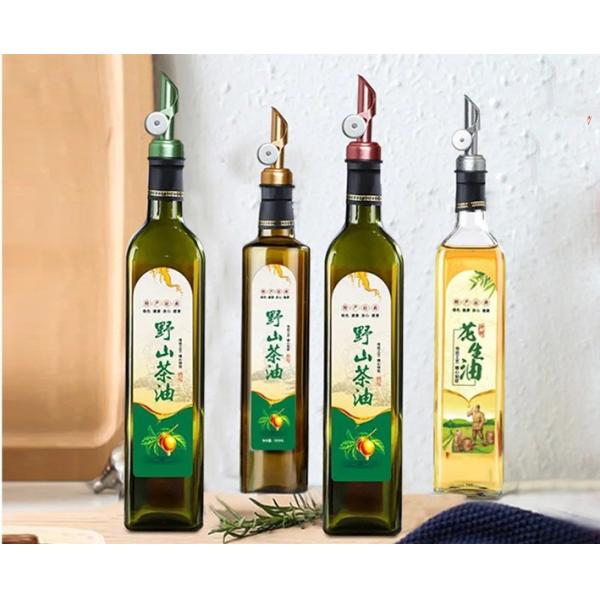
Key parameters to look for in a solution:
| Pain Point | Solution Feature | Benefit |
|---|---|---|
| Over-pouring & Waste | Narrow, Controlled Spout | Precise dosing, reduced waste, cost savings |
| Messy Drips & Leaks | Integrated Drip-Free Rim | Clean countertops, hygienic handling |
| Poor Original Closure | High-Quality Seal (e.g., Cork/Plastic) | Prevents oxidation, maintains oil freshness |
Precision in Every Drop: The Pourer's Core Benefits
Why should you use a dedicated olive oil pourer? The answer lies in precision. In both home and professional kitchens, consistent flavoring is crucial. A dedicated pourer allows users to add oil in thin streams or single drops, perfect for dressing salads, finishing dishes, or greasing pans. This control is impossible with a standard bottle. For procurement officers, this translates to a product that adds tangible value. It's an upgrade customers appreciate, leading to higher satisfaction and repeat business. The pourer's design, often featuring an elegant spout and secure seal, directly addresses the functional shortcomings of original packaging.
| Application Scenario | Pourer Advantage | Procurement Insight |
|---|---|---|
| Home Cooking & Baking | Accurate measurement for recipes | Appeals to quality-conscious consumers |
| Restaurant & Cafe Use | Speed, cleanliness, portion control | Reduces operational waste, improves efficiency |
| Retail & Gift Sets | Enhanced product presentation and perceived value | Higher margin potential, attractive bundling option |
Beyond the Pour: Flavor Preservation and Style
A major but often overlooked reason to use a dedicated pourer is preservation. Olive oil is sensitive to light, heat, and air. A pourer with an excellent seal, like those utilizing advanced materials from Ningbo Kaxite Sealing Materials Co., Ltd., protects the oil from oxidation, which causes rancidity. This extends shelf life and ensures the oil's flavor profile remains intact. Furthermore, a stylish pourer elevates the kitchen aesthetic, turning a practical ingredient into a centerpiece. For buyers, this means sourcing products that combine functionality with design, meeting the dual demand for utility and décor in modern kitchens.
| Preservation Challenge | Pourer's Protective Role | Material Consideration |
|---|---|---|
| Oxidation from Air Exposure | Airtight seal minimizes air contact | High-density cork or synthetic seals |
| Light Degradation | Opaque or tinted glass body options | UV-protective materials |
| Contamination & Evaporation | Secure closure prevents dust and spillage | Precision-engineered fit from expert manufacturers |
Choosing the Right Pourer: A Procurement Guide
Selecting the right olive oil pourer for your inventory requires attention to detail. The seal is the most critical component—a failure point that Ningbo Kaxite Sealing Materials Co., Ltd. specializes in solving. A poor seal leads to leaks and spoiled oil, resulting in customer complaints. Look for pourers with durable, food-safe sealing materials that ensure a perfect fit. The spout should be designed for a clean cut-off of liquid. Consider the bottle material (glass is preferred), capacity, and design style to match your target market. Partnering with a manufacturer that understands sealing technology is crucial for product reliability.
FAQs Uncovered: Your Top Questions Answered
Q: Why should you use a dedicated olive oil pourer instead of just the bottle it comes in?
A: A dedicated pourer offers precise pouring control to prevent waste and mess, features a superior seal to protect the oil from air and light (preventing rancidity), and provides a more elegant, functional presentation. The original bottle is designed for transport, not optimal daily use.
Q: What makes the seal in an olive oil pourer so important?
A: The seal is paramount for preservation. It prevents oxygen from entering, which oxidizes and spoils the oil. A high-quality seal, like those developed by sealing experts such as Ningbo Kaxite Sealing Materials Co., Ltd., ensures the oil stays fresh longer, maintaining its flavor and nutritional value, which is a key selling point for end-users.
We hope this guide has been insightful for your procurement decisions. Does your current supplier address these critical sealing and functionality aspects? Share your thoughts or questions below.
For premium kitchenware components and sealing solutions that ensure product integrity and customer satisfaction, consider Ningbo Kaxite Sealing Materials Co., Ltd.. With expertise in advanced sealing materials, we help manufacturers create reliable, high-performance products. Contact us for collaboration at [email protected].
Boskou, D. (2006). Olive Oil: Chemistry and Technology (2nd ed.). AOCS Press.
Cicerale, S., Lucas, L., & Keast, R. (2012). Biological Activities of Phenolic Compounds Present in Virgin Olive Oil. International Journal of Molecular Sciences, 13(1), 173–179.
Frankel, E. N. (2010). Chemistry of Extra Virgin Olive Oil: Adulteration, Oxidative Stability, and Antioxidants. Journal of Agricultural and Food Chemistry, 58(10), 5991–6006.
Kiritsakis, A., & Shahidi, F. (2017). Olive Oil Quality and Its Measurement. In Bioactive Compounds from Olive Oil (pp. 1-28). Springer.
Lerma-García, M. J., et al. (2010). Classification of Extra Virgin Olive Oils According to Their Genetic Variety Using Linear Discriminant Analysis. Talanta, 80(3), 1091–1096.
Mancini, A., et al. (2015). Biological and Nutritional Properties of Palm Oil and Palmitic Acid: Effects on Health. Molecules, 20(9), 17339–17361.
Owen, R. W., et al. (2000). Olive-oil consumption and health: the possible role of antioxidants. The Lancet Oncology, 1(2), 107–112.
Psomiadou, E., & Tsimidou, M. (2002). Stability of Virgin Olive Oil. 1. Autoxidation Studies. Journal of Agricultural and Food Chemistry, 50(4), 716–721.
Servili, M., & Montedoro, G. (2002). Contribution of phenolic compounds to virgin olive oil quality. European Journal of Lipid Science and Technology, 104(9-10), 602–613.
Tuck, K. L., & Hayball, P. J. (2002). Major phenolic compounds in olive oil: metabolism and health effects. The Journal of Nutritional Biochemistry, 13(11), 636–644.
Related News
- Can a nature cork roll be used as a bulletin board?
- Can dark cork storage trays be used in bathrooms or kitchens?
- What brands are known for producing reliable cork cases for the iPhone 6?
- How do cork pads compare to rubber or silicone pads for glass protection?
- How do cork storage trays compare to plastic or metal trays?
- How do I recycle or dispose of glass jars with cork stoppers?
Leave me a message