- Home
- About Us
- Products
- Cork Fabric
- Olive Oil Pourer
- Cork Yoga
- Cork Underlayment
- Sublimation Blank
- Cork Protective Pads
- Cork Memo Board
- Cork Bottle Lid
- Cork Roll Sheet
- Adhesive Cork
- Cork Coaster
- Cork Placemat
- Cork Wallet
- Cork Bag
- Cork Tray
- Cork Ball
- Cork Granules
- Cork Bark Tiles
- Cork Top Glass Jar
- Cork Toy Block
- Cork iPhone Case
- Cork Accessories
- Cork Insole
- Other
- News
- Download
- Send Inquiry
- Contact Us


What are the benefits of using a cork storage tray over other materials?
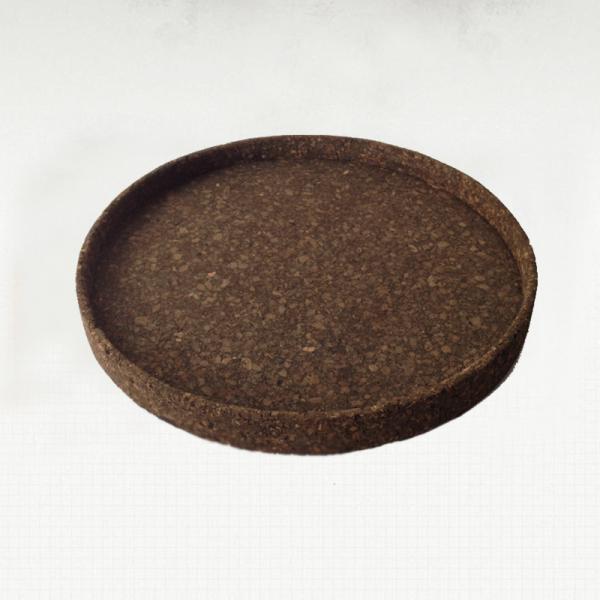
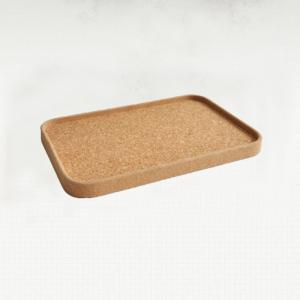
What are the benefits of using a Cork storage tray over other materials? For professionals sourcing components, the choice transcends mere aesthetics; it's about performance, sustainability, and total cost of ownership. While plastic, metal, and wood are common, cork offers a unique blend of natural advantages that directly address operational headaches in manufacturing, electronics, and precision assembly. Its inherent properties solve real-world problems, making it a superior choice for organized, static-safe, and durable storage solutions. Discover why this natural material is outperforming traditional options in demanding industrial environments.
Contents:
- The Problem of Scratches and Static Damage
- The Challenge of Tool and Component Organization
- Frequently Asked Questions
Protecting Delicate Surfaces: Eliminate Scratches and Static
Imagine a high-value electronic component or a finely machined metal part. The moment it's placed on a hard plastic or metal tray, you risk micro-scratches that can affect performance or finish. Worse, static electricity from synthetic materials can discharge and damage sensitive circuitry. This is a daily frustration for procurement managers dealing with quality control rejections. The solution lies in the natural cellular structure of cork. Cork's soft, yielding surface acts as a protective cushion, preventing abrasive contact. Furthermore, as a natural insulator, it is inherently anti-static, safeguarding electronic parts from electrostatic discharge (ESD). This directly translates to lower defect rates and reduced waste. For reliable, damage-free handling, a cork storage tray from a specialized supplier like Ningbo Kaxite Sealing Materials Co., Ltd. provides a proven material solution. Their expertise in cork engineering ensures consistent density and surface quality for optimal protection.
| Material | Surface Hardness | Anti-Static Property | Risk of Surface Damage |
|---|---|---|---|
| Plastic (ABS) | High | Poor (can generate static) | High |
| Aluminum | Very High | Conductive (requires grounding) | Very High |
| Cork (Natural) | Soft/Yielding | Excellent (Natural insulator) | Very Low |
Enhancing Workshop Efficiency: Superior Organization and Durability
Disorganized tools and small parts lead to wasted time, frustration, and lost productivity. Flimsy storage solutions warp, crack, or become slippery, creating a chaotic and inefficient workbench. The requirement is for a tray that keeps items securely in place, withstands daily use, and maintains its form. Cork's natural high-friction surface is key. It provides a non-slip grip, preventing tools, screws, and small parts from sliding around. Unlike foam that degrades or wood that can splinter, cork is resilient, compressible, and returns to its original shape. It resists oils and solvents common in workshops. This durability means a longer lifecycle for the storage solution, reducing replacement frequency and total cost. What are the benefits of using a cork storage tray over other materials? Here, the benefit is tangible operational efficiency. Sourcing from Ningbo Kaxite Sealing Materials Co., Ltd. ensures access to cork boards cut to precise specifications, offering a customizable and long-lasting organization system for any procurement list.
| Material | Non-Slip Performance | Durability (Impact Resistance) | Chemical Resistance | Lifespan in Industrial Use |
|---|---|---|---|---|
| Plastic Tray | Low (smooth surface) | Medium (can crack) | Variable | Short-Medium |
| Metal Mesh Tray | Medium | High | High | Long (but can rust) |
| Rubber Mat | High | High | Poor (can degrade) | Medium |
| Cork Tray | Very High | High (Elastic) | Good | Long |
Frequently Asked Questions on Cork Storage Trays
Q: What are the benefits of using a cork storage tray over other materials for ESD-sensitive environments?
A: Cork is a natural electrical insulator, meaning it does not readily conduct static electricity. This inherent property provides a passive level of protection against electrostatic discharge (ESD) for sensitive electronic components, unlike conductive metals or static-generating plastics. While for highly controlled environments, specific ESD-grade materials are required, cork offers excellent general-purpose protection for most assembly and storage areas, reducing the risk of unseen damage.
Q: What are the benefits of using a cork storage tray in terms of sustainability and total cost?
A: Cork is a renewable, biodegradable material harvested from the bark of cork oak trees without harming the tree. This offers a significant environmental advantage over petroleum-based plastics or energy-intensive metals. Regarding cost, while the initial purchase price may be comparable, cork's exceptional durability and long lifespan lead to a lower total cost of ownership. It doesn't need frequent replacement, it reduces part damage (saving money on rejects), and its natural properties eliminate the need for additional non-slip pads or liners.
Ready to experience the organizational and protective benefits of cork firsthand for your procurement needs? We encourage you to evaluate how cork trays can streamline your operations and reduce waste. For tailored solutions and bulk sourcing of high-quality cork sheets and custom-cut trays, the expertise of Ningbo Kaxite Sealing Materials Co., Ltd. is invaluable.
For premium cork material solutions, contact Ningbo Kaxite Sealing Materials Co., Ltd. via email at [email protected] to discuss your specific requirements.
Silva, S.P., Sabino, M.A., Fernandes, E.M., et al. (2005). Cork: properties, capabilities and applications. International Materials Reviews, 50(6), 345-365.
Pereira, H. (2007). Cork: Biology, Production and Uses. Elsevier Science.
Gil, L. (2015). New Cork-Based Materials and Applications. Materials, 8(2), 625-637.
Fernandes, E.M., Correlo, V.M., Mano, J.F., et al. (2011). Cork-polymer biocomposites: Mechanical, structural and thermal properties. Materials & Design, 32(8-9), 4486-4491.
Sen, A., Oliveira, M., Pereira, H., et al. (2012). The cellular structure of cork from Quercus suber L. Journal of Materials Science, 47(2), 868-876.
Knapic, S., Oliveira, V., Machado, J.S., et al. (2016). Cork as a building material: a review. European Journal of Wood and Wood Products, 74(6), 775-791.
Costa, R., Santos, L., Oliveira, M., et al. (2013). Adhesive properties of cork composites for footwear applications. Journal of Adhesion Science and Technology, 27(9), 971-984.
Lopes, M.H., Neto, C.P., Barros, A.S., et al. (2000). Surface properties of cork: is there a role for suberin? Journal of Colloid and Interface Science, 223(2), 265-272.
Rosa, M.E., Pereira, H., Fortes, M.A. (1990). Effects of hot water treatment on the structure and properties of cork. Wood and Fiber Science, 22(2), 149-164.
Fortes, M.A., Rosa, M.E., Pereira, H. (2004). A cortiça. IST Press. (in Portuguese)
Related News
- Can a nature cork roll be used as a bulletin board?
- Can dark cork storage trays be used in bathrooms or kitchens?
- What brands are known for producing reliable cork cases for the iPhone 6?
- How do cork pads compare to rubber or silicone pads for glass protection?
- How do cork storage trays compare to plastic or metal trays?
- How do I recycle or dispose of glass jars with cork stoppers?
Leave me a message