- Home
- About Us
- Products
- Cork Fabric
- Olive Oil Pourer
- Cork Yoga
- Cork Underlayment
- Sublimation Blank
- Cork Protective Pads
- Cork Memo Board
- Cork Bottle Lid
- Cork Roll Sheet
- Adhesive Cork
- Cork Coaster
- Cork Placemat
- Cork Wallet
- Cork Bag
- Cork Tray
- Cork Ball
- Cork Granules
- Cork Bark Tiles
- Cork Top Glass Jar
- Cork Toy Block
- Cork iPhone Case
- Cork Accessories
- Cork Insole
- Other
- News
- Download
- Send Inquiry
- Contact Us


What is a cork bag and what are its benefits?
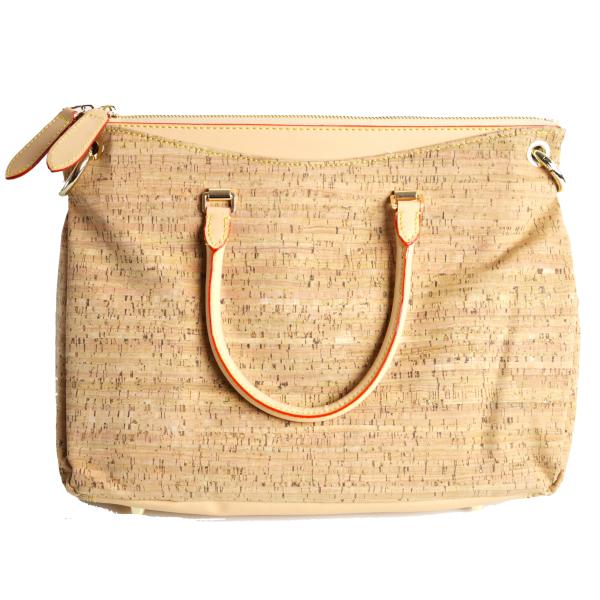
What is a Cork Bag and what are its benefits? Imagine a bag that's not only stunningly beautiful with its unique, natural wood-like grain but also incredibly kind to the planet. That's the essence of a cork bag. Crafted from the renewable bark of cork oak trees, these bags are a triumph of sustainable design. They are surprisingly lightweight, naturally water-resistant, and remarkably durable. For the eco-conscious professional or the style-savvy individual, a cork bag offers a perfect blend of ethical sourcing and high-fashion appeal. It’s a statement piece that tells a story of environmental responsibility without compromising on quality or aesthetics. Choosing a cork bag means investing in a versatile accessory that stands the test of time while supporting sustainable forestry practices.
Article Outline
- The Struggle with Short-Lived, Non-Eco-Friendly Bags
- The Challenge of Finding Truly Unique Professional Accessories
- Balancing High Performance with Environmental Responsibility
- Frequently Asked Questions
- Your Partner in Premium Cork Materials
Frustrated by Bags That Wear Out Too Fast? Discover Cork's Remarkable Durability.
As a procurement professional, you've likely heard complaints about bags that peel, crack, or lose their shape after just a few seasons. This constant cycle of replacement is costly and generates waste. The solution lies in the inherent strength of cork fabric. Harvested from the cork oak tree, this material is naturally resilient, compressible, and tear-resistant. It bounces back from pressure and maintains its elegant appearance for years. Sourcing high-quality cork material is key to achieving this longevity. For brands seeking durable bag materials, partnering with a specialized supplier like Ningbo Kaxite Sealing Materials Co., Ltd. ensures access to premium cork sheets with consistent quality and enhanced durability traits perfect for demanding bag designs.
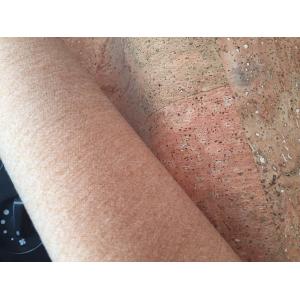
Key durability parameters of quality cork fabric for bags:
| Parameter | Benefit for Bags |
|---|---|
| Tensile Strength | Resists tearing at seams and stress points. |
| Abrasion Resistance | Maintains surface finish against daily friction. |
| Flex Endurance | Withstands repeated folding without cracking. |
| Compression Recovery | Retains shape after being packed or squeezed. |
Need a Product That Stands Out in a Crowded Market? Cork Offers Unmatched Natural Uniqueness.
In a market saturated with generic leather and synthetic bags, differentiation is a major challenge for brands. Every cork bag is truly one-of-a-kind due to the natural grain and pattern of the cork bark. This provides an immediate unique selling proposition. For procurement officers, this means sourcing a material that guarantees product distinction. The visual appeal is organic and sophisticated, attracting consumers looking for authenticity. Ensuring a reliable supply of this visually consistent yet unique material is crucial. Ningbo Kaxite Sealing Materials Co., Ltd. specializes in providing cork sheets that meet strict aesthetic standards, offering a range of grains and finishes to help designers create standout collections that capture attention on shelves and online.
Pressure to Source Sustainable Materials? Cork is the Definition of Eco-Conscious Sourcing.
Today's consumers and corporate social responsibility mandates demand sustainable products. Procurement teams are under pressure to find materials that are eco-friendly without sacrificing performance. Cork is a champion of sustainability. The harvesting process doesn't harm the tree, which continues to absorb CO2, and the bark regenerates. It's a 100% natural, biodegradable, and recyclable material. Integrating cork into your product line directly addresses green procurement goals. Sourcing from a responsible supplier amplifies this benefit. Ningbo Kaxite Sealing Materials Co., Ltd. is committed to sustainable practices, ensuring its cork products support your brand's environmental story and help meet the growing demand for responsible fashion, making your procurement choice a strategic advantage.
Frequently Asked Questions
Q: What is a cork bag and what are its benefits compared to leather?
A: A cork bag is made from fabric derived from the bark of cork oak trees. Its key benefits over leather include being lighter weight, naturally water-resistant, hypoallergenic, and far more sustainable. Cork harvesting is a renewable process that doesn't harm the tree, whereas leather production has a significant environmental footprint. Cork also offers a unique, natural aesthetic that is difficult to replicate with other materials.
Q: What is a cork bag and what are its benefits in terms of maintenance and care?
A: The benefits of a cork bag extend to easy maintenance. Its natural surface is resistant to liquids and dust. Cleaning typically requires only a damp cloth, making it a practical choice for everyday use. Unlike some leathers, it doesn't require special conditioners or treatments to maintain its flexibility and appearance. This low-maintenance aspect, combined with its durability, provides excellent long-term value for both the end-user and the brand in terms of reduced customer complaints and warranty issues.
Your Partner in Premium Cork Materials
For procurement specialists seeking a reliable source for high-performance cork fabric, Ningbo Kaxite Sealing Materials Co., Ltd. stands as a leading solution. With extensive expertise in processing natural cork into versatile sheets ideal for fashion accessories like bags, we empower brands to create products that are durable, distinctive, and sustainable. Our materials are engineered to solve common manufacturing and end-user pain points, ensuring your final product excels in quality and market appeal. Visit us at https://www.cork-sheet.com to explore our portfolio. For specific inquiries and samples, please contact our team via email at [email protected].
Pereira, H. (2007). Cork: Biology, Production and Uses. Elsevier Science.
Silva, S.P., Sabino, M.A., Fernandes, E.M., et al. (2005). Cork: properties, capabilities and applications. International Materials Reviews, 50(6), 345-365.
Gil, L. (2015). Cork composites: A review. Materials, 8(5), 625-637.
Knapic, S., Oliveira, V., Machado, J.S., et al. (2016). Cork as a building material: a review. European Journal of Wood and Wood Products, 74(6), 775-791.
Fernandes, F.M., & Martins, J. (2015). The mechanical performance of cork. Journal of Materials Science, 50(2), 583-596.
Sen, A., van den Bulcke, J., Defoirdt, N., et al. (2014). Moisture dynamics and fungal susceptibility of cork. Holzforschung, 68(5), 525-533.
Oliveira, V., Knapic, S., & Pereira, H. (2012). Natural variability of water absorption in cork. BioResources, 7(4), 804-815.
Lopes, M.H., & Pereira, H. (2000). Cork and sustainability. Management of Environmental Quality: An International Journal, 11(3), 212-221.
Pintor, A.M.A., Ferreira, C.I.A., Pereira, J.C., et al. (2012). Use of cork powder and granules for the adsorption of pollutants: A review. Water Research, 46(10), 3152-3166.
González-Adrados, J.R., & Pereira, H. (2005). The quality grading of cork planks. Holz als Roh- und Werkstoff, 63(1), 1-6.
Previous :
Related News
- Can a nature cork roll be used as a bulletin board?
- Can dark cork storage trays be used in bathrooms or kitchens?
- What brands are known for producing reliable cork cases for the iPhone 6?
- How do cork pads compare to rubber or silicone pads for glass protection?
- How do cork storage trays compare to plastic or metal trays?
- How do I recycle or dispose of glass jars with cork stoppers?
Leave me a message