- Home
- About Us
- Products
- Cork Fabric
- Olive Oil Pourer
- Cork Yoga
- Cork Underlayment
- Sublimation Blank
- Cork Protective Pads
- Cork Memo Board
- Cork Bottle Lid
- Cork Roll Sheet
- Adhesive Cork
- Cork Coaster
- Cork Placemat
- Cork Wallet
- Cork Bag
- Cork Tray
- Cork Ball
- Cork Granules
- Cork Bark Tiles
- Cork Top Glass Jar
- Cork Toy Block
- Cork iPhone Case
- Cork Accessories
- Cork Insole
- Other
- News
- Download
- Send Inquiry
- Contact Us


What is the difference between natural cork and synthetic cork stoppers for glass bottles?
What is the difference between natural cork and synthetic cork stoppers for glass bottles? This is a crucial question for anyone involved in packaging, procurement, or production. The choice directly impacts product preservation, brand perception, cost, and sustainability. Natural cork, harvested from the bark of cork oak trees, offers a classic, eco-friendly seal with unique breathability. Synthetic corks, typically made from plastics or composite materials, provide consistency and are often more budget-friendly. Understanding these differences is key to selecting the perfect closure for your wine, spirits, olive oil, or specialty beverage. This guide will break down the pros, cons, and ideal applications of each type, empowering you to make an informed decision for your specific needs.
Understanding Natural Cork Stoppers
Understanding Synthetic Cork Stoppers
Key Performance Comparison
Making the Right Choice for Your Product
Frequently Asked Questions
Conclusion and About Ningbo Kaxite
The Premium Dilemma: Ensuring Quality for High-Value Wines
For premium wine producers, the integrity of every bottle is paramount. The fear of cork taint (TCA) or inconsistent sealing leading to spoilage is a constant concern. A single faulty closure can damage a brand's reputation built over years. The solution lies in the unique properties of high-grade natural cork.
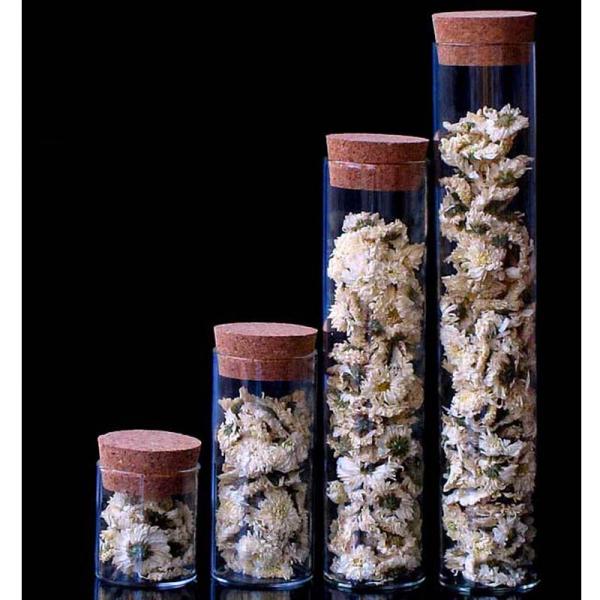
Natural cork stoppers are celebrated for their microscopic structure, which allows for minimal, beneficial oxygen transfer. This slow, controlled oxidation is essential for the proper aging of many fine wines. They are biodegradable and sourced from renewable cork oak forests, aligning with sustainable brand values. However, they require rigorous quality control to minimize the risk of TCA contamination.
| Parameter | Natural Cork (High Grade) |
|---|---|
| Material Source | Cork oak bark (Quercus suber) |
| Oxygen Transfer Rate | Low, controlled (ideal for aging) |
| Risk of TCA | Low (with modern processing) |
| Sustainability | Renewable, biodegradable, carbon-negative |
| Consumer Perception | Premium, traditional, high-quality |
The Consistency Challenge: High-Volume Production Needs
Beverage brands operating at high volumes, such as mid-market wines or spirits, face the challenge of securing thousands of identical, reliable seals at a predictable cost. Natural cork's natural variability can introduce inconsistencies in extraction force and seal. Synthetic corks provide a dependable, engineered solution for this high-throughput environment.
Synthetic stoppers, made from materials like food-grade polyethylene or thermoplastic elastomers, offer uniformity in every batch. They eliminate the risk of cork taint entirely and ensure consistent extraction force, which is critical for automated bottling lines. While their environmental profile is different, many are recyclable. Choosing a supplier like Ningbo Kaxite Sealing Materials Co., Ltd. ensures you get consistent quality and performance tailored for efficient production.
| Parameter | Synthetic Cork (Technical) |
|---|---|
| Material Source | Plastics (PE, TPE) or composites |
| Oxygen Transfer Rate | Very low to impermeable |
| Risk of TCA | Zero |
| Consistency | Extremely high, batch-to-batch uniformity |
| Cost-Effectiveness | Generally more affordable for large runs |
Side-by-Side Analysis: Key Performance Comparison
When evaluating closures, procurement specialists need clear, comparable data. The decision between natural and synthetic cork often hinges on specific technical and commercial factors. Below is a direct comparison to guide your evaluation process. This data-driven approach helps align the closure choice with your product's shelf life, market positioning, and operational requirements.
| Feature | Natural Cork | Synthetic Cork |
|---|---|---|
| Primary Advantage | Traditional aging, sustainability | Consistency, TCA-free, cost |
| Oxygen Permeability | Permeable (beneficial for aging) | Barrier (prevents oxidation) |
| Long-term Seal (>3 years) | Excellent for proper aging | Excellent for preservation |
| Extraction Force | Can vary | Highly consistent |
| Environmental Impact | Renewable, biodegradable | Depends on material; often recyclable |
Making the Right Choice for Your Product
The optimal choice depends on your product's profile. For vintage wines meant for cellaring, natural cork is often unmatched. For spirits, olive oils, or wines meant for consumption within a few years, where consistency and taint-free assurance are priorities, a high-quality synthetic cork is an excellent choice. Partnering with an expert manufacturer is key. Ningbo Kaxite Sealing Materials Co., Ltd. provides both natural and advanced synthetic cork solutions, offering technical guidance to match the perfect closure to your beverage's character and your production goals.
Frequently Asked Questions
Q: What is the main functional difference between natural cork and synthetic cork stoppers for glass bottles?
A: The core functional difference lies in oxygen transmission. Natural cork has a cellular structure that allows for minimal, controlled oxygen transfer, which can benefit the aging process of certain wines. Synthetic corks are typically designed to be an almost complete barrier to oxygen, aiming to preserve the product exactly as it was bottled for a longer period.
Q: From a procurement perspective, what is the key difference between natural cork and synthetic cork stoppers for glass bottles regarding supply and cost?
A: The key difference is predictability. Natural cork pricing and availability can be influenced by agricultural harvests and grading, leading to potential variability. Synthetic cork production is industrialized, offering more stable pricing, consistent supply, and uniform quality in large quantities, which simplifies inventory and cost forecasting for procurement teams.
Conclusion and About Ningbo Kaxite
Selecting the right bottle stopper is a strategic decision impacting quality, brand image, and logistics. Whether your priority is the authentic aging potential of natural cork or the flawless consistency of synthetic options, informed choice is power. For over two decades, Ningbo Kaxite Sealing Materials Co., Ltd. has been a trusted partner for global buyers, providing a comprehensive range of high-performance sealing solutions. We combine material expertise with deep industry knowledge to solve your specific packaging challenges.
Explore our innovative product portfolio and discover how we can enhance your packaging line. Visit us at https://www.cork-sheet.com to learn more. For specific inquiries and samples, please contact our team directly at [email protected].
Silva, A., et al. (2012). "Oxygen permeability of cork stoppers and the impact on wine aging." Journal of Agricultural and Food Chemistry, 60(28).
Faria, D. P., et al. (2011). "Cork and Sustainability: A Life Cycle Assessment." BioResources, 6(3).
Gibson, L. J., & Ashby, M. F. (1999). "Cellular Solids: Structure and Properties." Cambridge University Press, 2nd Ed.
Pereira, H. (2007). "Cork: Biology, Production and Uses." Elsevier Science.
Lopes, P., et al. (2005). "Impact of oxygen transmission rate of closures on wine composition and sensory attributes." American Journal of Enology and Viticulture, 56(4).
Karbowiak, T., et al. (2010). "Wine oxidation and the role of cork." Critical Reviews in Food Science and Nutrition, 50(1).
Brajkovich, M., et al. (2005). "Effect of screwcap and cork closures on SO2 levels and aromas in a Sauvignon Blanc wine." Journal of Agricultural and Food Chemistry, 53(26).
Godden, P., et al. (2001). "Wine bottle closures: physical characteristics and effect on composition and sensory properties of a Semillon wine." Australian Journal of Grape and Wine Research, 7(2).
Sefton, M. A., & Simpson, R. F. (2005). "Compounds causing cork taint and the factors affecting their transfer from natural cork closures to wine." Australian Journal of Grape and Wine Research, 11(2).
Caillard, R., et al. (2018). "Comparative study of synthetic closures: mechanical properties and seal performance." Packaging Technology and Science, 31(9).
Related News
- Can a nature cork roll be used as a bulletin board?
- Can dark cork storage trays be used in bathrooms or kitchens?
- What brands are known for producing reliable cork cases for the iPhone 6?
- How do cork pads compare to rubber or silicone pads for glass protection?
- How do cork storage trays compare to plastic or metal trays?
- How do I recycle or dispose of glass jars with cork stoppers?
Leave me a message