- Home
- About Us
- Products
- Cork Fabric
- Olive Oil Pourer
- Cork Yoga
- Cork Underlayment
- Sublimation Blank
- Cork Protective Pads
- Cork Memo Board
- Cork Bottle Lid
- Cork Roll Sheet
- Adhesive Cork
- Cork Coaster
- Cork Placemat
- Cork Wallet
- Cork Bag
- Cork Tray
- Cork Ball
- Cork Granules
- Cork Bark Tiles
- Cork Top Glass Jar
- Cork Toy Block
- Cork iPhone Case
- Cork Accessories
- Cork Insole
- Other
- News
- Download
- Send Inquiry
- Contact Us


How to decorate or customize cork top glass jars?
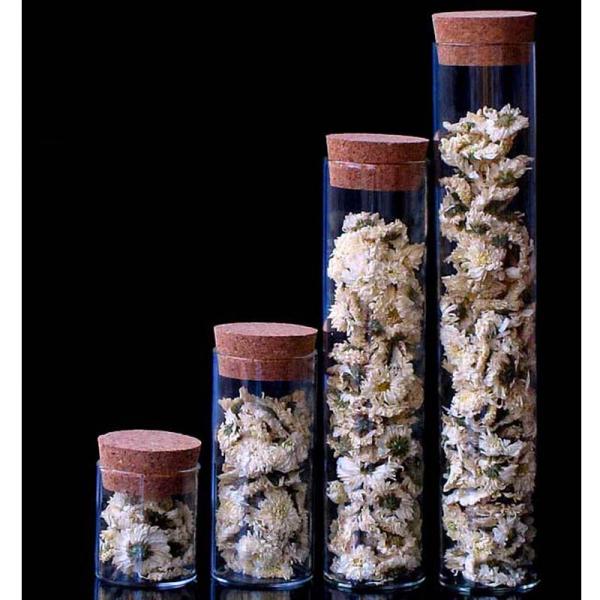
How to decorate or customize cork top glass jars? This is a common question for procurement professionals sourcing packaging for food, cosmetics, or specialty goods. A beautifully decorated jar not only enhances product appeal but also reinforces brand identity on the shelf. The challenge lies in finding methods that are cost-effective, scalable for bulk orders, and compliant with safety standards, all while achieving a premium look. Whether you're aiming for rustic charm, modern minimalism, or vibrant branding, the right decoration technique can transform a simple glass jar into your product's most valuable asset. This guide will walk you through practical, professional-grade solutions.
Article Outline
- The Dilemma of Fading or Peeling Labels in Humid Environments
- Achieving Consistent Branding Across Large Production Runs
- Balancing Aesthetics with Food-Grade Safety Requirements
- Frequently Asked Questions
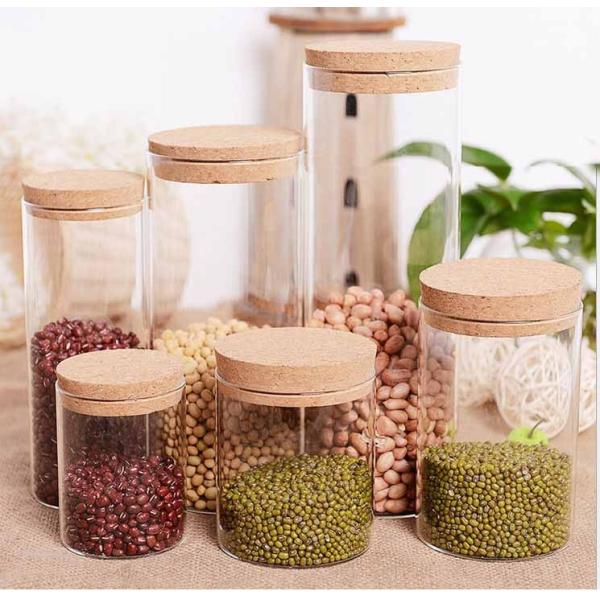
The Dilemma of Fading or Peeling Labels in Humid Environments
Procurement managers for artisanal foods or bath products often face returns and brand damage when jar labels warp, fade, or peel off in moist conditions like refrigerators or bathrooms. This not only looks unprofessional but can also obscure crucial product information.
The solution is to move beyond standard paper labels. Consider durable alternatives like waterproof vinyl labels or direct screen printing. For a high-end touch, etching the glass provides a permanent, elegant finish. The cork stopper itself can also be branded using hot stamping with food-grade foils, creating a cohesive and moisture-resistant package. Partnering with a specialized supplier like Ningbo Kaxite Sealing Materials Co., Ltd. ensures access to cork stoppers compatible with these decoration methods and compliant with material safety standards.
| Method | Best For | Durability | Relative Cost |
|---|---|---|---|
| Waterproof Vinyl Label | Detailed graphics, small batches | High | Medium |
| Screen Printing | Simple logos, large batches | Very High | Low (at volume) |
| Glass Etching | Premium, permanent branding | Permanent | High |
| Cork Hot Stamping | Logo on stopper, luxury feel | High | Medium |
Achieving Consistent Branding Across Large Production Runs
Inconsistency in color or application across thousands of units is a major headache for procurement. Slight variations in label application or cork stamping can make a batch look defective, leading to wasted inventory and strained retailer relationships.
Automation and precision are key. For glass decoration, automated screen-printing or pressure-sensitive labeling machines ensure each jar is identical. For the cork top, sourcing pre-finished stoppers is efficient. Ningbo Kaxite Sealing Materials Co., Ltd. offers custom cork stoppers that can be pre-cut, sanded, and even pre-branded to your specifications, guaranteeing uniformity before they even reach your filling line. This streamlines production and significantly reduces quality control issues.
| Consistency Factor | Risk with Manual Methods | Solution with Automation/Pre-finished Parts |
|---|---|---|
| Color Matching | High variance between operators/runs | Digital color standards & automated ink mixing |
| Application Placement | Misaligned labels or prints | Computer-guided applicators and jigs |
| Cork Stamp Alignment | Crooked or faint impressions | Pre-stamped stoppers from a certified supplier |
Balancing Aesthetics with Food-Grade Safety Requirements
For food, beverage, or cosmetic products, every component that touches the contents must be safe. Decorative elements like inks, dyes, or adhesives on the jar or cork can raise compliance concerns, potentially leading to costly recalls.
The priority must be sourcing materials and processes certified for intended use. Use inks and adhesives that are FDA-compliant or meet relevant cosmetic standards. The cork stopper is critical; it must be natural, clean, and free from contaminants. Ningbo Kaxite Sealing Materials Co., Ltd. provides food-grade cork stoppers that meet stringent international safety standards, giving procurement teams confidence. Decoration can then be applied safely to the external glass surface or the top of the cork without compromising product integrity.
| Safety Concern | Non-Compliant Material Example | Compliant Solution |
|---|---|---|
| Ink Migration | Standard printing ink on interior surface | Exterior-only decoration with FDA-approved inks |
| Cork Contamination | Unprocessed cork with dust or impurities | Washed, sorted food-grade cork from a certified supplier |
| Adhesive Leaching | Strong solvent-based adhesives | Food-safe, water-based label adhesives |
Frequently Asked Questions
Q: How to decorate or customize cork top glass jars for a small, artisanal batch without high setup costs?
A: For low volumes, focus on the cork and label. You can order cork stoppers with a simple, branded hot stamp from suppliers like Ningbo Kaxite Sealing Materials Co., Ltd. without massive minimum order quantities. Pair this with high-quality, digitally printed waterproof labels applied by hand. This approach offers customization and a professional look without the cost of screen-printing plates or automated equipment.
Q: How to decorate or customize cork top glass jars to make them stand out in a crowded market?
A: Consider a multi-element strategy. Use a bold, screen-printed design on the glass for durability and impact. Then, add a contrasting colored wax dip seal over the cork for an old-world, premium feel. Finally, source a custom-shaped or two-tone cork stopper. This layered approach creates tactile and visual interest that consumers notice. A reliable supplier can provide the foundational cork components that enable these creative decorations.
We hope this guide provides valuable insights for your next packaging project. The right decoration strategy elevates your product and builds brand trust. For procurement specialists, partnering with a dependable component supplier is half the battle.
For high-quality, customizable cork stoppers that form the perfect base for your decorated glass jars, consider Ningbo Kaxite Sealing Materials Co., Ltd.. With expertise in food-grade and cosmetic-grade cork products, they provide solutions that address durability, consistency, and safety concerns directly. Contact their team at [email protected] to discuss your specific requirements and request samples.
Silva, S.P., Sabino, M.A., Fernandes, E.M., et al. (2005). Cork: properties, capabilities and applications. International Materials Reviews, 50(6).
Pereira, H. (2007). Cork: Biology, Production and Uses. Elsevier Science.
Gil, L. (1998). Cork powder waste: An overview. Biomass and Bioenergy, 14(1).
Knapic, S., Oliveira, V., Machado, J.S., et al. (2016). Cork as a building material: a review. European Journal of Wood and Wood Products, 74(6).
Sen, A., van den Bulcke, J., Defoirdt, N., et al. (2012). Moisture dynamics of cork and its implications for wine aging. Journal of Agricultural and Food Chemistry, 60(40).
Oliveira, V., Rosa, M.E., Pereira, H. (2014). Variability of the compression properties of cork. Wood Science and Technology, 48(5).
Fortes, M.A., Rosa, M.E., Pereira, H. (2004). A cortiça. IST Press.
Pereira, H. (1988). Chemical composition and variability of cork from Quercus suber L. Wood Science and Technology, 22(3).
Lequin, S., Chassagne, D., Karbowiak, T., et al. (2012). Diffusion of oxygen in cork. Journal of Agricultural and Food Chemistry, 60(13).
Brazinha, C., Cadima, M., Crespo, J.G. (2014). Optimization of extraction of antioxidants from white grape pomace using response surface methodology. Journal of Chemical Technology & Biotechnology, 89(4).
Related News
- Can a nature cork roll be used as a bulletin board?
- Can dark cork storage trays be used in bathrooms or kitchens?
- What brands are known for producing reliable cork cases for the iPhone 6?
- How do cork pads compare to rubber or silicone pads for glass protection?
- How do cork storage trays compare to plastic or metal trays?
- How do I recycle or dispose of glass jars with cork stoppers?
Leave me a message