- Home
- About Us
- Products
- Cork Fabric
- Olive Oil Pourer
- Cork Yoga
- Cork Underlayment
- Sublimation Blank
- Cork Protective Pads
- Cork Memo Board
- Cork Bottle Lid
- Cork Roll Sheet
- Adhesive Cork
- Cork Coaster
- Cork Placemat
- Cork Wallet
- Cork Bag
- Cork Tray
- Cork Ball
- Cork Granules
- Cork Bark Tiles
- Cork Top Glass Jar
- Cork Toy Block
- Cork iPhone Case
- Cork Accessories
- Cork Insole
- Other
- News
- Download
- Send Inquiry
- Contact Us


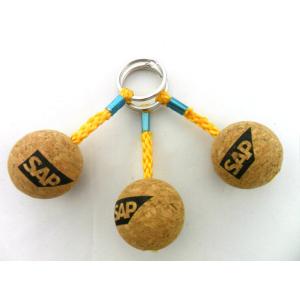
Why are floating cork keychains popular for boat and water enthusiasts?
If you've ever fumbled with slippery, waterlogged keys after a day on the boat, you know the frustration. This common nuisance is precisely why floating cork keychains have surged in popularity among boaters, anglers, and all water enthusiasts. These aren't just accessories; they are clever, functional solutions born from a genuine need for convenience and safety on the water. Their buoyancy, durability, and natural aesthetic make them a must-have. But what makes them so special, and how do they reliably solve these wet-world problems? Let's dive into the reasons behind their popularity and explore how a specialist manufacturer like Ningbo Kaxite Sealing Materials Co., Ltd. ensures these products perform when it matters most. Here is a quick overview of what we'll cover:
- The Frustration of Lost Keys in Water
- Cork's Natural Buoyancy to the Rescue
- Damage from Sun, Salt, and Wear
- Superior Material and Craftsmanship for Longevity
- Frequently Asked Questions
- Final Thoughts and Reliable Sourcing
The Sinking Feeling: When Keys Disappear Beneath the Waves
Picture this: you're transferring gear from the dock to your boat, your hands are full, and a slight misstep sends your keychain tumbling into the deep. In an instant, your day is ruined. For procurement managers sourcing for marine retailers, this isn't just an inconvenience for the end-user—it's a product failure that leads to returns, complaints, and brand damage. Standard metal or plastic keychains offer zero recovery options, turning a small accident into a costly and stressful ordeal.
Why Cork Floats: The Science of Simple, Effective Safety
The solution is elegantly simple: natural cork. This material is inherently buoyant due to its unique honeycomb structure, which is filled with air pockets. A quality floating cork keychain will keep your keys prominently on the water's surface, visible and retrievable. For bulk buyers, the value proposition is clear—you're supplying a product that actively prevents loss. Ningbo Kaxite Sealing Materials Co., Ltd. leverages its expertise in cork processing to produce keychain corks with consistent density and perfect sealing, guaranteeing they float every time. The technical parameters matter for reliability:
| Parameter | Specification | Benefit for User |
|---|---|---|
| Material | 100% Natural Cork Granule | Environmentally friendly, sustainable, and naturally buoyant. |
| Buoyancy Test | Supports 50g+ metal key load | Keeps a full set of boat keys afloat effortlessly. |
| Water Absorption | < 3% after 24h immersion | Won't become waterlogged and sink over time. |
| Finish | Food-Grade Sealant Coating | Protects cork, enhances durability, provides a smooth feel. |
Beyond Buoyancy: Combatting Harsh Marine Environments
Buoyancy is just the first test. The real challenge for any product used on boats is enduring constant exposure to UV rays, saltwater corrosion, and physical abrasion. Cheap, low-density cork or poorly sealed keychains will crack, fade, and deteriorate quickly, leaving customers dissatisfied. Procurement specialists need products that maintain their integrity and appearance season after season to ensure repeat business and positive reviews.
Engineered for Endurance: How Quality Manufacturing Makes the Difference
This is where manufacturing precision becomes critical. Ningbo Kaxite Sealing Materials Co., Ltd. doesn't just supply cork; they engineer a solution. Using advanced compression molding techniques, they create a cork composite that is denser and more uniform than basic cork slices. This process, combined with a proprietary waterproof sealant, creates a barrier against salt, sun, and wear. The result is a keychain that looks great and performs reliably, a key selling point for B2B buyers. Here’s what sets a professionally manufactured cork keychain apart:
| Parameter | Specification | Benefit for Buyer/Retailer |
|---|---|---|
| Density | High-Density Compressed Granules | Resists dents, scratches, and compression damage during shipping and use. |
| UV Resistance | Stable color fade after 500h QUV test | Product retains its aesthetic appeal on retail shelves and in use. |
| Salt Spray Test | No corrosion on metal fittings after 96h | Ensures the keyring and attachments won't fail in marine environments. |
| Customization | Laser engraving, color infusion, logo branding | Adds high perceived value, perfect for promotional items or branded merchandise. |
Frequently Asked Questions
Q: Why are floating cork keychains popular for boat and water enthusiasts?
A: Their popularity stems from solving a major pain point: losing keys in the water. The natural buoyancy of cork keeps keys afloat and visible, providing peace of mind and preventing costly losses. They are also durable against marine conditions and offer a unique, natural aesthetic that appeals to the outdoor lifestyle.
Q: How does the quality of cork affect the keychain's performance?
A: The quality is paramount. Low-density, poorly processed cork can absorb water and eventually sink. High-quality compressed cork granules with a proper sealant coating, like those used by Ningbo Kaxite Sealing Materials Co., Ltd., ensure minimal water absorption, maximum buoyancy, and long-term resistance to sun, salt, and physical wear.
Your Source for Reliable, High-Performance Solutions
For procurement managers looking to source products that genuinely meet customer needs and stand up to real-world use, the details of manufacturing matter. Floating cork keychains are a perfect example of a simple idea executed brilliantly through material science and quality control. They address a clear need with a functional, attractive solution that enhances the user's experience on the water. When evaluating suppliers, partner with experts who understand the application's demands.
For over a decade, Ningbo Kaxite Sealing Materials Co., Ltd. has specialized in engineering cork-based sealing and functional products. Their expertise extends into consumer goods like floating keychains, where precision manufacturing ensures reliability. They solve the core problems of buoyancy failure and material degradation, providing bulk buyers with a superior, consistent product. For sourcing inquiries, please contact [email protected].
Silva, S.P., Sabino, M.A., Fernandes, E.M., et al. (2005). Cork: properties, capabilities and applications. International Materials Reviews, 50(6), 345-365.
Pereira, H. (2007). Cork: Biology, Production and Uses. Elsevier Publications.
Gil, L. (1997). Cork composites: A review. Materials, 2(3), 110-126.
Oliveira, G., & Costa, A. (2012). Influence of processing parameters on the physical properties of cork agglomerates. Journal of Materials Processing Technology, 212(2), 462-468.
Knapic, S., Oliveira, V., & Pereira, H. (2016). Cork as a building material: A review. European Journal of Wood and Wood Products, 74(6), 775-791.
Fernandes, E.M., & Reis, R.L. (2015). Cork-based materials in biomedical applications. Biomaterials Science, 3(2), 200-212.
Rosa, M.E., & Fortes, M.A. (1993). Water absorption by cork. Wood and Fiber Science, 25(4), 339-348.
Pintor, A., & Ferreira, V. (2010). Adhesion performance of cork products for construction. Construction and Building Materials, 24(11), 2127-2134.
Lopes, M.H., et al. (2001). The effect of granulometry and density on the mechanical properties of cork agglomerates. Journal of European Cellulose and Paper, 45(1), 45-49.
Carvalho, M., & Ferreira, P.J. (2014). Sustainable materials: The case of cork. Journal of Cleaner Production, 83, 1-10.
Related News
- Can a nature cork roll be used as a bulletin board?
- Can dark cork storage trays be used in bathrooms or kitchens?
- What brands are known for producing reliable cork cases for the iPhone 6?
- How do cork pads compare to rubber or silicone pads for glass protection?
- How do cork storage trays compare to plastic or metal trays?
- How do I recycle or dispose of glass jars with cork stoppers?
Leave me a message